

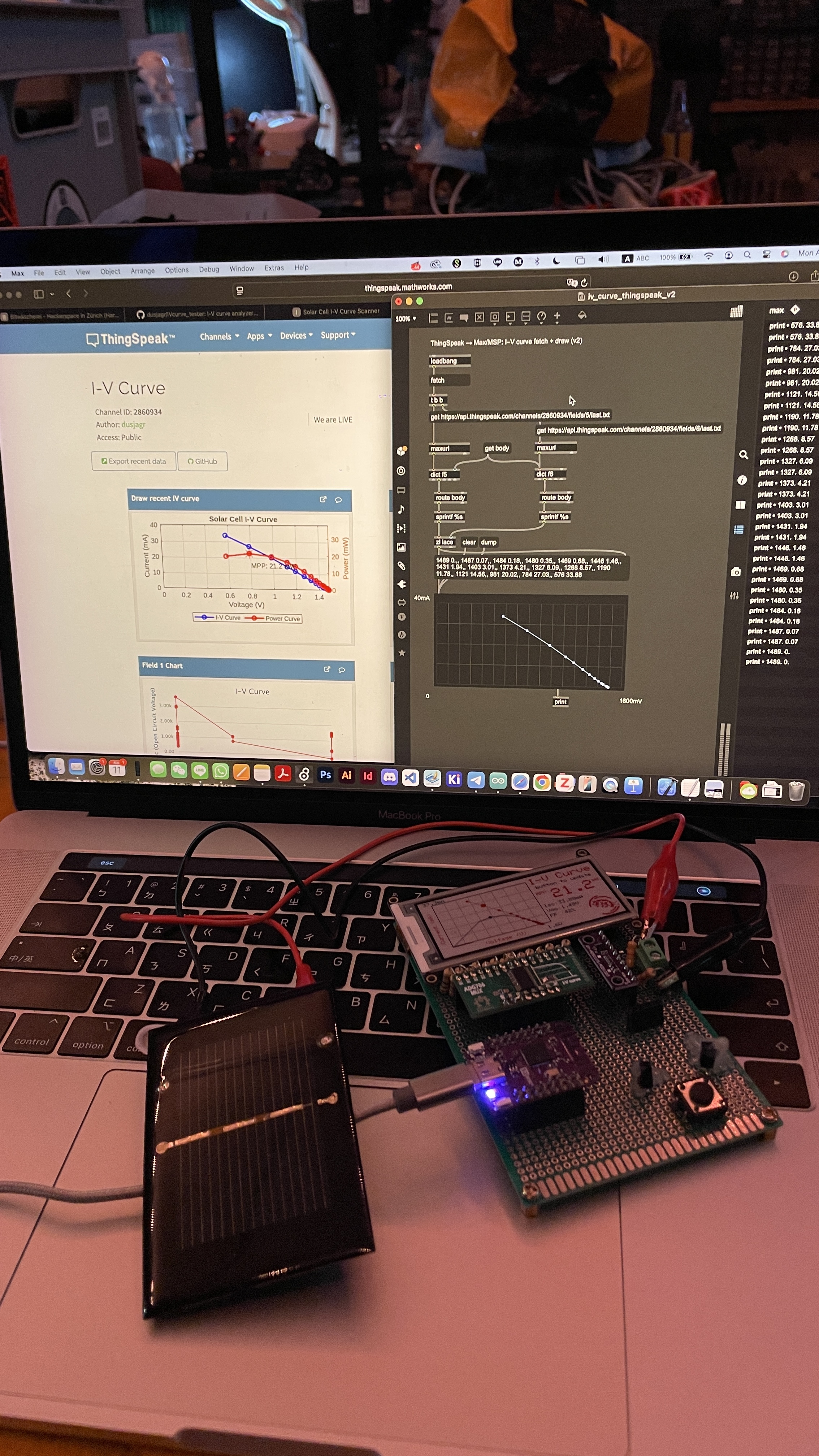
︎ Solar Oracle Walkman device
︎ Solar Oracle Walkman I-V curve library
︎ Solar Oracle Walkman - concept
︎ Solar Oracle Walkman - code and method
《Solar Oracle Walkman》從一片會發電、也會留下自身差異的玻璃開始。作品利用手工染料敏化太陽能電池(DSSC)中難以完全控制與重現的二氧化鈦多孔層及界面差異,測試其作為物理不可複製函數(PUF)與能源來源身分的可能。裝置在既定的跨光源條件下讀取每片元件的 I–V 曲線,再將電性回應轉譯為生成音樂,使材料差異進入公共感知:觀眾聽見的不是固定的身分碼,而是一種在材料、光線、時間與量測之間持續形成、雖會變動卻保有可辨識連續性的關係。作品的核心提問是,同一片材料能否在產生電力的同時,也參與證明「這筆能源來自誰」;材料指紋並不取代電表、數位簽章或憑證核發制度,而是與電量、時間及裝置紀錄共同構成可追溯的能源來源證據。
透過可攜式 Walkman / 太陽能身份驗證裝置,這項技術問題被擴展為一個關於代理、分配與自我邊界的制度想像。作品以「幽靈 GDP」描述帳面產出與實際生活經濟逐漸脫節的狀態,並以「人類智力位移螺旋」推演代理能力提高、白領職位與消費能力下降,而企業又為維持利潤持續投資自動化代理的循環。當受雇的人類不再是生產與分配之間可靠的連接點,能源、算力與行動能力將依據什麼原則配置?能源與算力有物理限制,制度卻會在其上疊加身分登錄、重複核驗、中心化授權與所有權圍籬等行政瓶頸。一筆經驗證的能源事件本身沒有預定的經濟形式;它可以被轉譯為鞏固既有權威的私有資產,也可以成為不必完全資產化、用以支持個體行動的使用權、參與權或有限代理權。
「捉摸不定的作者」(elusive author)是用來形容分布式生產中模糊且分散的作者身份。Linux、數位取樣、remix、遊戲模組與同人文化都顯示,創作並非由一個位於作品之前的單一作者憑空完成,而是在程式碼、版本紀錄、維護、社群協調、重組與回應中逐步生成。當這種多重來源的作者性進入法律,便形成近乎自我抵銷的困境:它若把自己壓縮成唯一作者,就背叛了自身的生成方式;若拒絕單一中心,又可能難以被現有制度辨認。作品進一步想像法律如何離開單一作者權威,轉向能容納多重真實、重疊規則與持續修訂的結構。
在《Solar Oracle Walkman》的制度沙盒中,作品暫時假定 DSSC 的材料身分與光伏輸出已達足以被制度採用的可信度。材料指紋、I–V 量測、電表紀錄、數位簽章、代理行動、規則版本與參與者留下的痕跡,因而可以共同構成分布式見證,而不再只由單一管理者宣告「這是誰的事件」。分布式作者性與分散式綠色證明並不是同一件事,卻共同鬆動了「聖潔的起源」與「主權式的中心」:自我不再是封閉並擁有一切的實體,而是在技術、物質、環境與社會關係交會時暫時形成的一致性效果。這並非讓 DSSC 取代人成為新的浪漫作者,而是讓能源來源、裝置維護、模型、規則、生成過程、署名與責任得以分開辨認,再由重疊的規則決定它們如何關聯。作品最終追問:當材料身分被用來授權能源代理時,「自我」可以委派什麼,又有哪些判斷與責任不能被委派?分散認知又將如何進入未來的公共能源平台,使感官哲學、憑證設計與技術工程必須被共同思考?
Solar Oracle Walkman begins with a piece of glass that generates electricity while also leaving a trace of its own difference. The work investigates whether variations in the porous titanium dioxide layer and interfaces of handmade dye-sensitized solar cells (DSSCs)—variations that are difficult to fully control or reproduce—can function as a physical unclonable function (PUF) and form the basis of an energy-source identity. Under a controlled cross-light-source protocol, the device reads the I–V curve of each cell and translates its electrical response into generative music, bringing material difference into public perception. What the audience hears is not a fixed identity code, but a relationship continually formed through material, light, time, and measurement: one that changes while retaining a recognizable continuity. The work’s central question is whether the same material can generate electricity while also helping to prove where that energy came from. The material fingerprint does not replace the meter, the digital signature, or the certificate issuer; rather, it joins energy data, time records, and device logs to form a traceable chain of evidence for energy origin.
Through a portable Walkman and solar identity-verification device, this technical question expands into an institutional speculation about agency, distribution, and the boundaries of the self. The work uses “ghost GDP” to describe a condition in which measured output increasingly diverges from everyday economic life, and the “human-intelligence displacement spiral” to imagine a cycle in which automated agency grows, white-collar employment and consumption decline, and companies invest even more heavily in automation to preserve profits. If employed human beings no longer provide a reliable link between production and distribution, according to what principles should energy, computational capacity, and the ability to act be allocated? Energy and computation have physical limits, yet institutions add further administrative bottlenecks through identity registration, repeated verification, centralized authorization, and legal barriers constructed around ownership. A verified energy event has no predetermined economic form: it can be translated into private property that reinforces existing authority, or into non-assetized rights of use, participation, or limited agency that support individual action.
The “elusive author” describes a form of authorship in distributed production that cannot be fully contained by a simple list of names. Linux, digital sampling, remix, game modding, and fan cultures all show that creation does not emerge from a single author positioned before the work. It develops through code, version histories, maintenance, community coordination, rearrangement, and response. When this multi-sourced authorship enters the law, it encounters an almost self-cancelling problem: if it compresses itself into a single author in order to become legally recognizable, it betrays the way it was produced; if it refuses a single center, existing institutions may struggle to recognize it. The work therefore imagines how law might move beyond the authority of the singular author toward structures capable of holding multiple realities, overlapping rules, and continual revision.
Within the institutional sandbox of Solar Oracle Walkman, the material identity and photovoltaic output of each DSSC are provisionally assumed to have reached a level of trust sufficient for institutional use. Material fingerprints, I–V measurements, meter records, digital signatures, agent actions, rule versions, and the traces left by participants can then form a system of distributed witnessing, rather than leaving a single administrator to declare, “This event belongs to this source.” Distributed authorship and distributed green proof are not the same thing, but both unsettle the ideas of a “sacred origin” and a “sovereign center.” The self is no longer understood as a closed entity that owns everything it produces, but as a temporary coherence formed where technical, material, environmental, and social relations meet. This does not turn the DSSC into a new romantic author. Instead, it allows energy sources, device maintenance, models, rules, generative processes, attribution, and responsibility to be identified separately, then related through overlapping systems of rules. The work ultimately asks: when material identity is used to authorize an energy agent, what can the self delegate, and which judgments and responsibilities cannot be delegated? How might distributed cognition enter future public energy platforms—and require sensory philosophy, certificate design, and technical engineering to be considered together?
染敏飢餓合成器
DSSC starvation synth
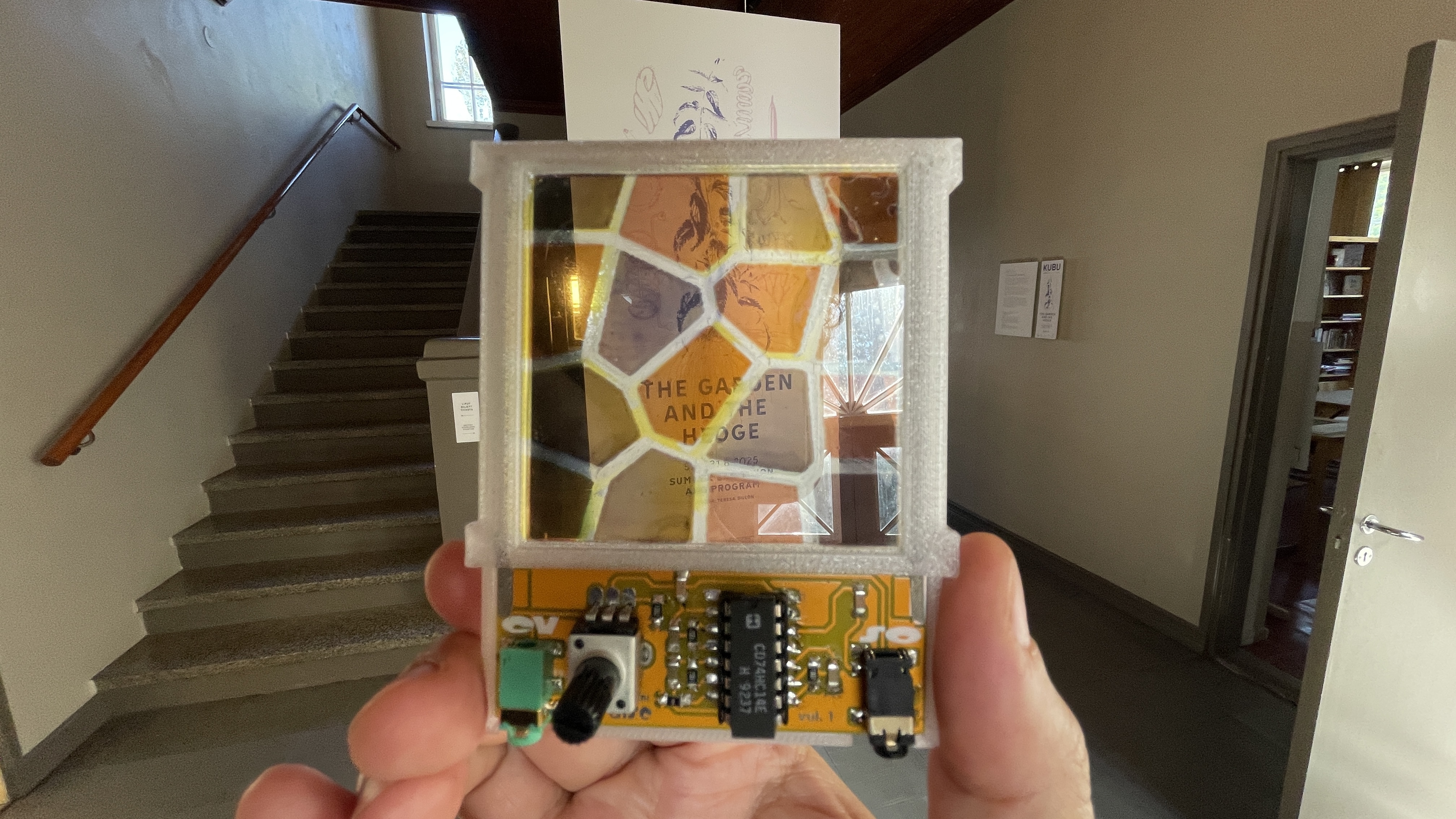
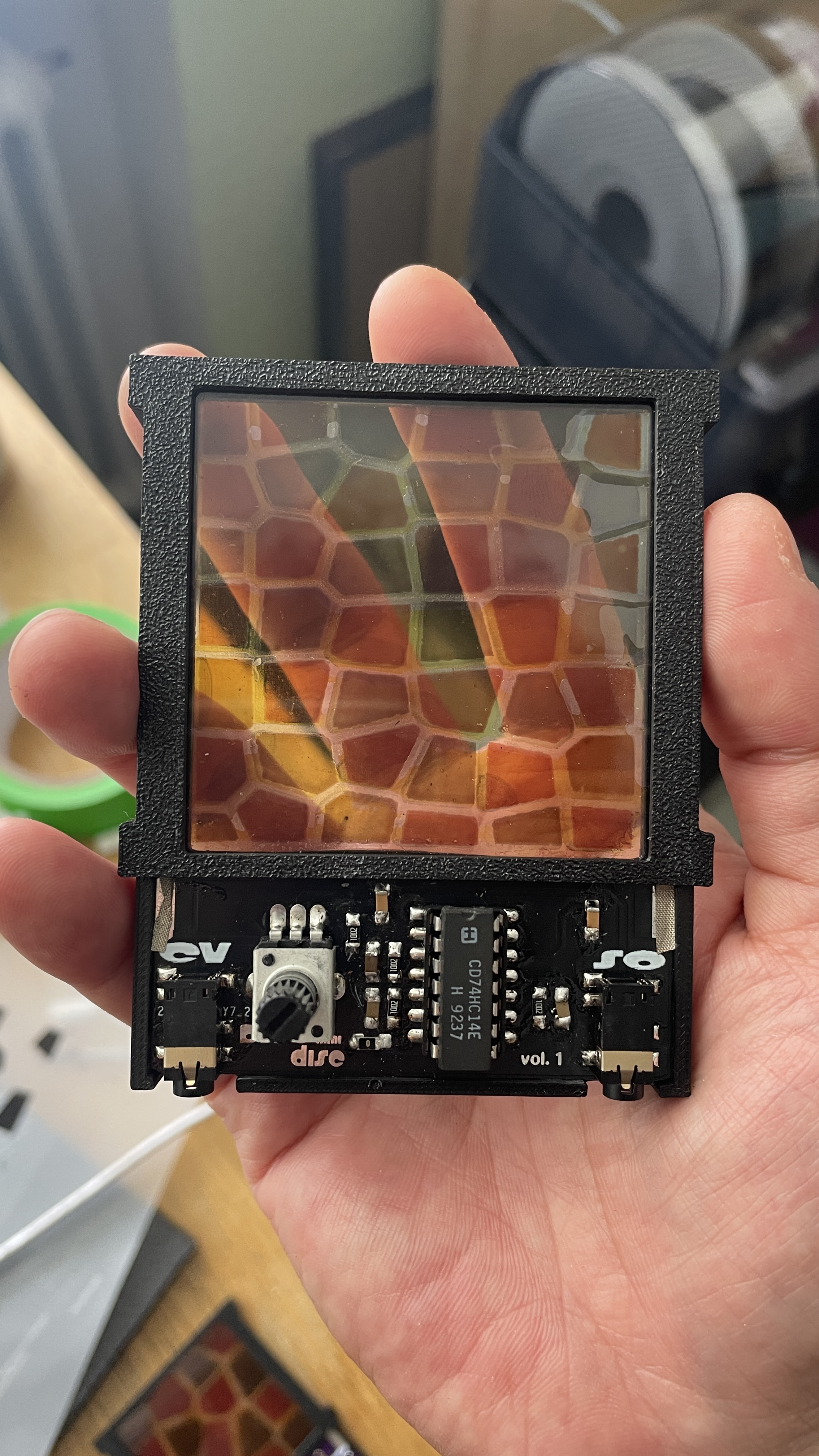

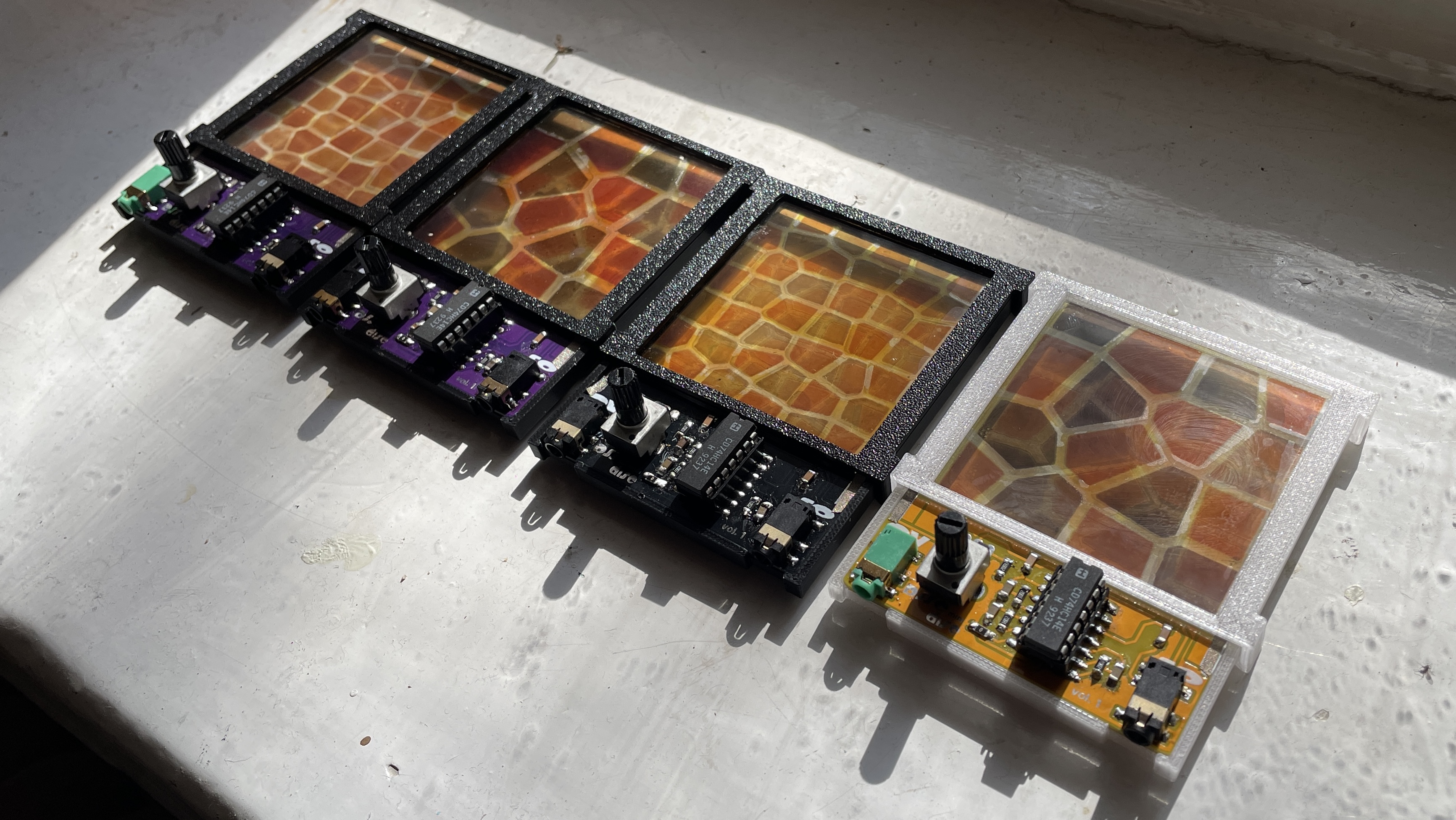

在今年二月與 Marc Dusseiller 於台北進行的前期研究後,本次為期五週的 KUBU 駐村計畫正式展開,作為「The Garden And The Hedge 夏季展覽與計畫」的一部分,由 Teresa Dillon 和 Tuomo Tammenpää 策劃與組織。
本藝術駐村研究旨在於染料敏化太陽能電池中開發兼具圖像和功能的W-type串聯電路設計,以同時滿足藝術與電子工程的需求。其挑戰在於如何製作具圖像特徵的二氧化鈦與鉑電極,同時保持良好的電氣特性與轉換效率。
此次所開發的概念驗證原型預計未來將基於 Voronoi 分形結構,產生更複雜的圖案。這些圖像不僅具有藝術價值,也具備工程應用的潛力。例如,此原型未來可能應用於進一步研究,如自供能的機器人眼睛、智慧隱形眼鏡或太陽眼鏡等,因為分形結構的串聯電路可與無需對焦的微透鏡陣列系統整合,進而實現 DSSC 在智慧視覺系統中的創新應用。
本藝術駐村研究旨在於染料敏化太陽能電池中開發兼具圖像和功能的W-type串聯電路設計,以同時滿足藝術與電子工程的需求。其挑戰在於如何製作具圖像特徵的二氧化鈦與鉑電極,同時保持良好的電氣特性與轉換效率。
此次所開發的概念驗證原型預計未來將基於 Voronoi 分形結構,產生更複雜的圖案。這些圖像不僅具有藝術價值,也具備工程應用的潛力。例如,此原型未來可能應用於進一步研究,如自供能的機器人眼睛、智慧隱形眼鏡或太陽眼鏡等,因為分形結構的串聯電路可與無需對焦的微透鏡陣列系統整合,進而實現 DSSC 在智慧視覺系統中的創新應用。
Few previous researches has been made before this residency in Taipei with Marc Dusseiller in February. This 5-weeks residency at KUBU, is part of the The Garden And The Hedge Summer Exhibition And Program, organized and curated by Teresa Dillon and Tuomo Tammenpää.
This artist in residency research aim to develop graphical W-type series connection in DSSC to satisfy both artistic and electric engineering purposes; the challenge is to have graphical TiO₂ and platinum electrodes without failing it's electric properties and efficiency.
This proof of concept prototype is expected to generate more complicated pattern base on the voronoi fractal foundation in the future. The graphics could be also engineering useful too, for example, this POC could be useful for further researches, such as self-powered robotic eyes, smart contact lens or sunglasses in the future due to the fractal series circuits could corporate with the micro lens array in the focus-free lens system to exploit DSSC in the manner of smart visions.
This artist in residency research aim to develop graphical W-type series connection in DSSC to satisfy both artistic and electric engineering purposes; the challenge is to have graphical TiO₂ and platinum electrodes without failing it's electric properties and efficiency.
This proof of concept prototype is expected to generate more complicated pattern base on the voronoi fractal foundation in the future. The graphics could be also engineering useful too, for example, this POC could be useful for further researches, such as self-powered robotic eyes, smart contact lens or sunglasses in the future due to the fractal series circuits could corporate with the micro lens array in the focus-free lens system to exploit DSSC in the manner of smart visions.
一百五十四萬奈米的適當離網染料敏化太陽能
1,540,000nm of DSSC Appropriate Off-Grid Solar RAVE
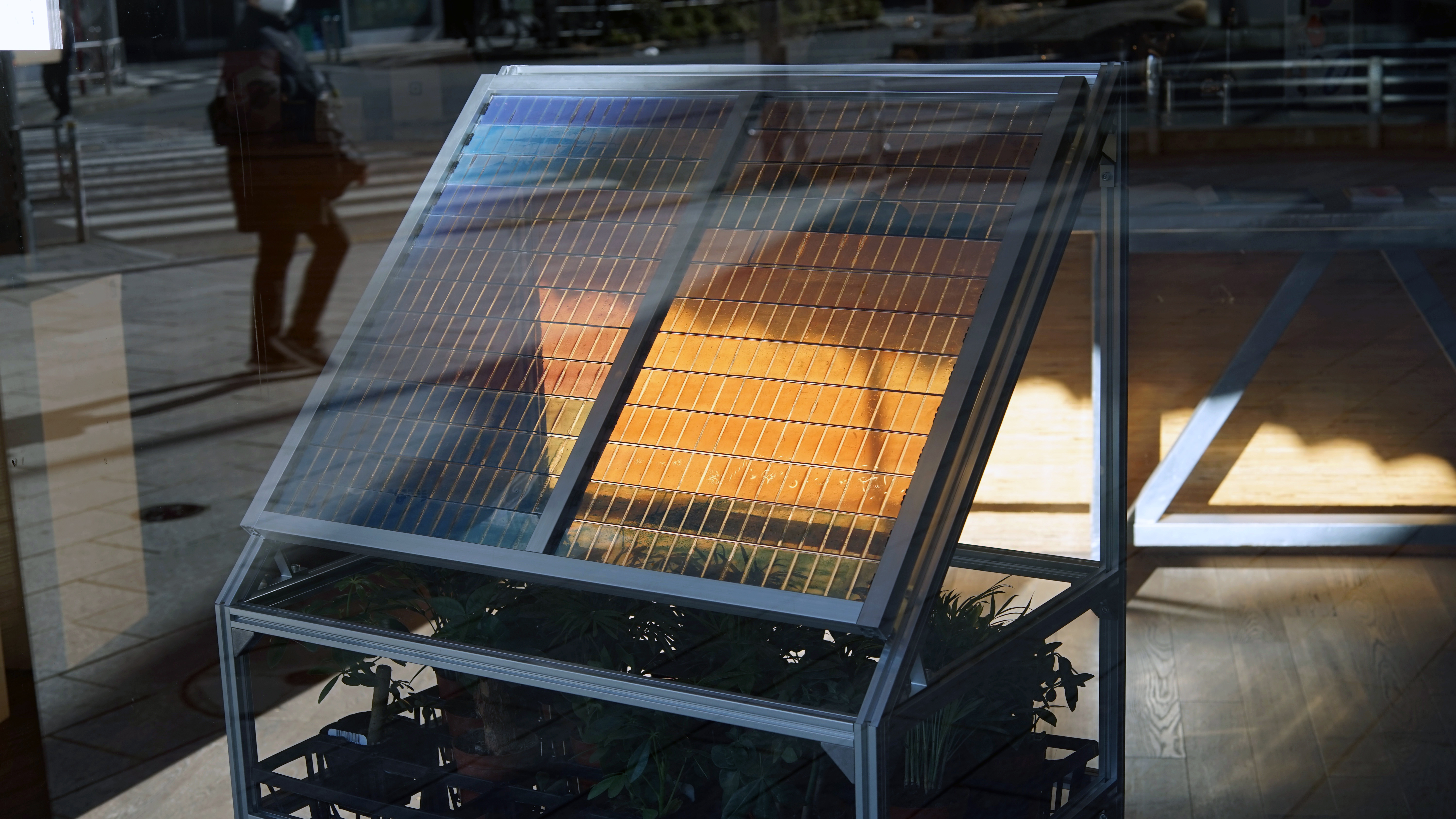

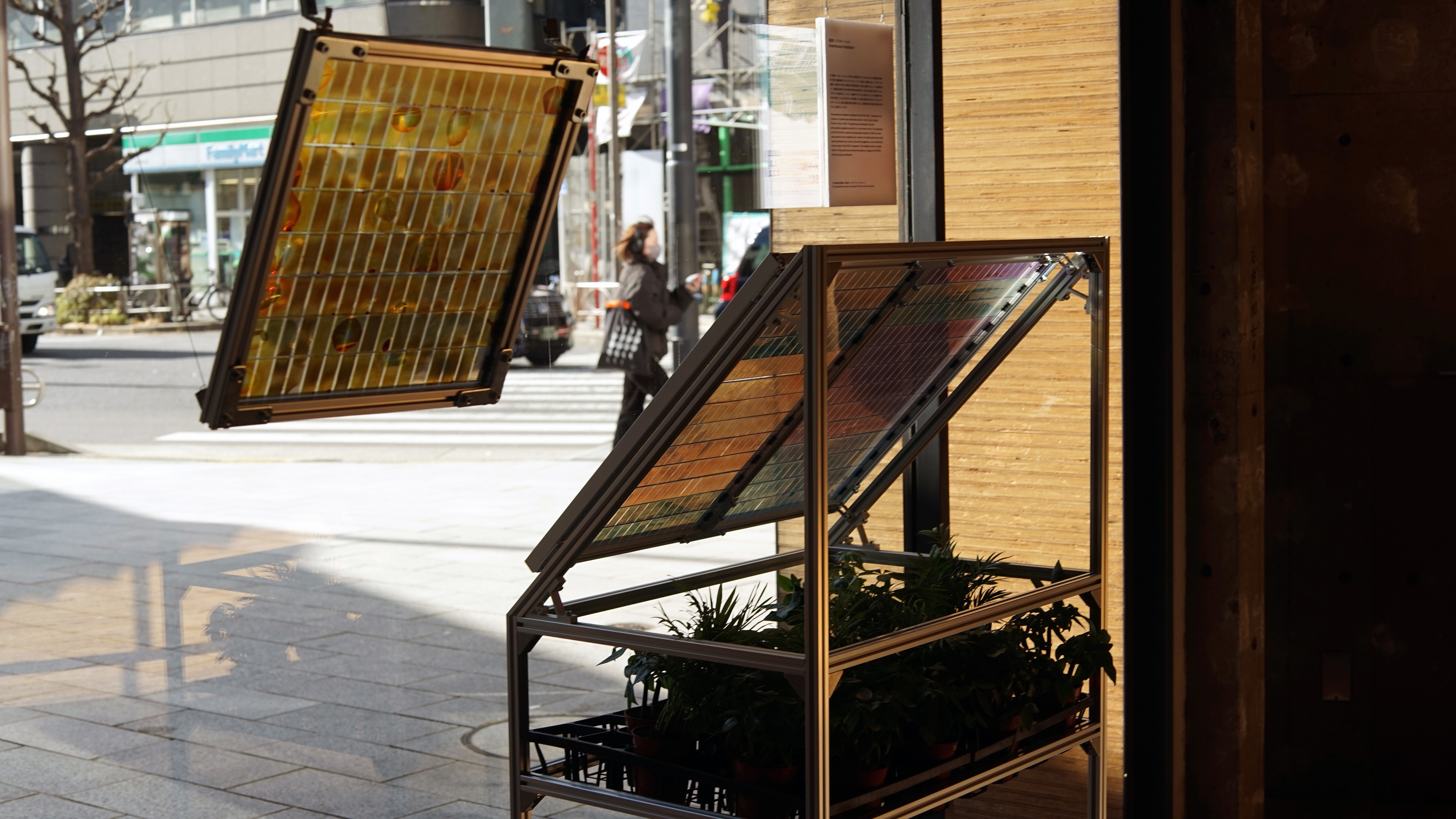
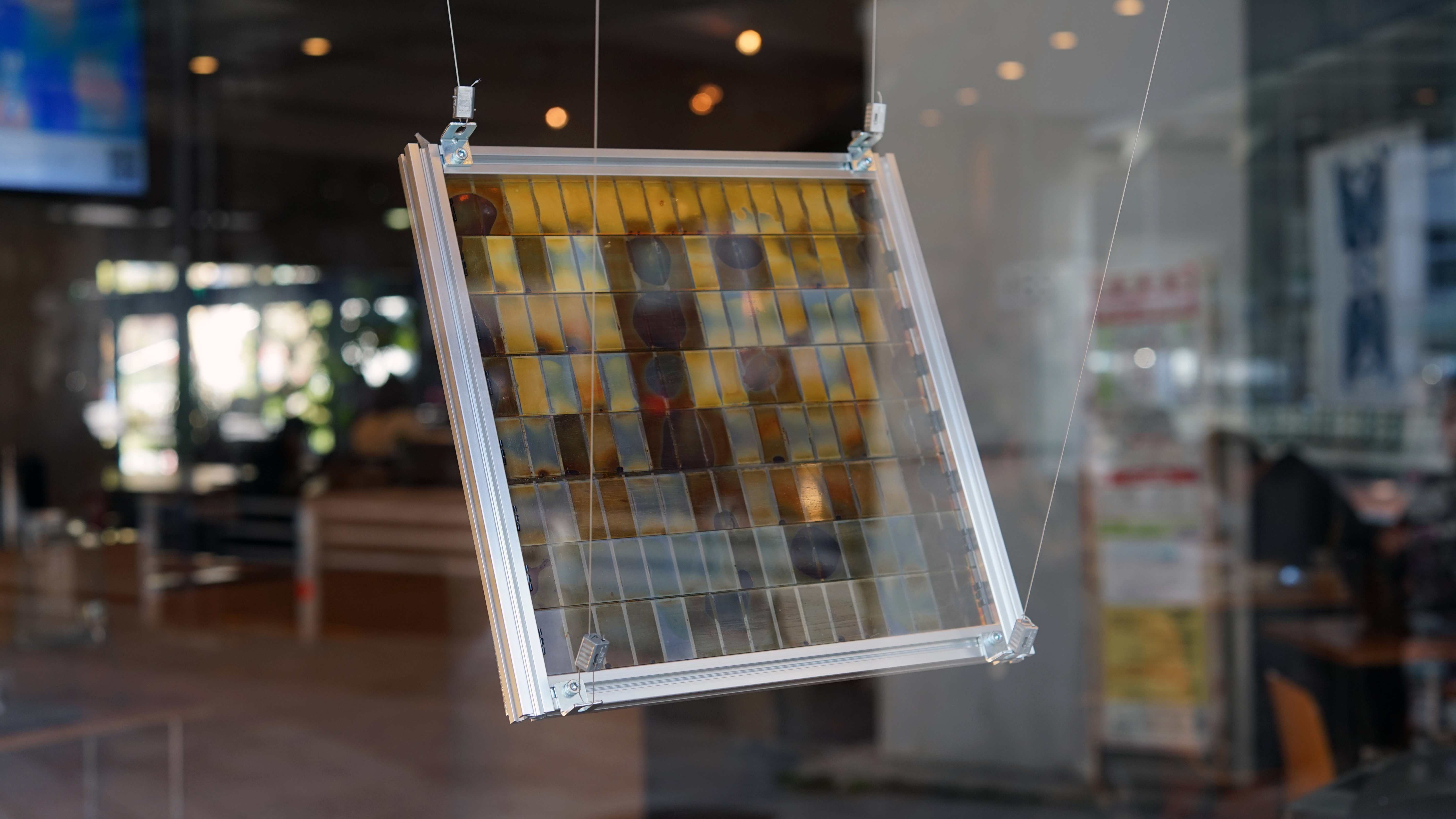
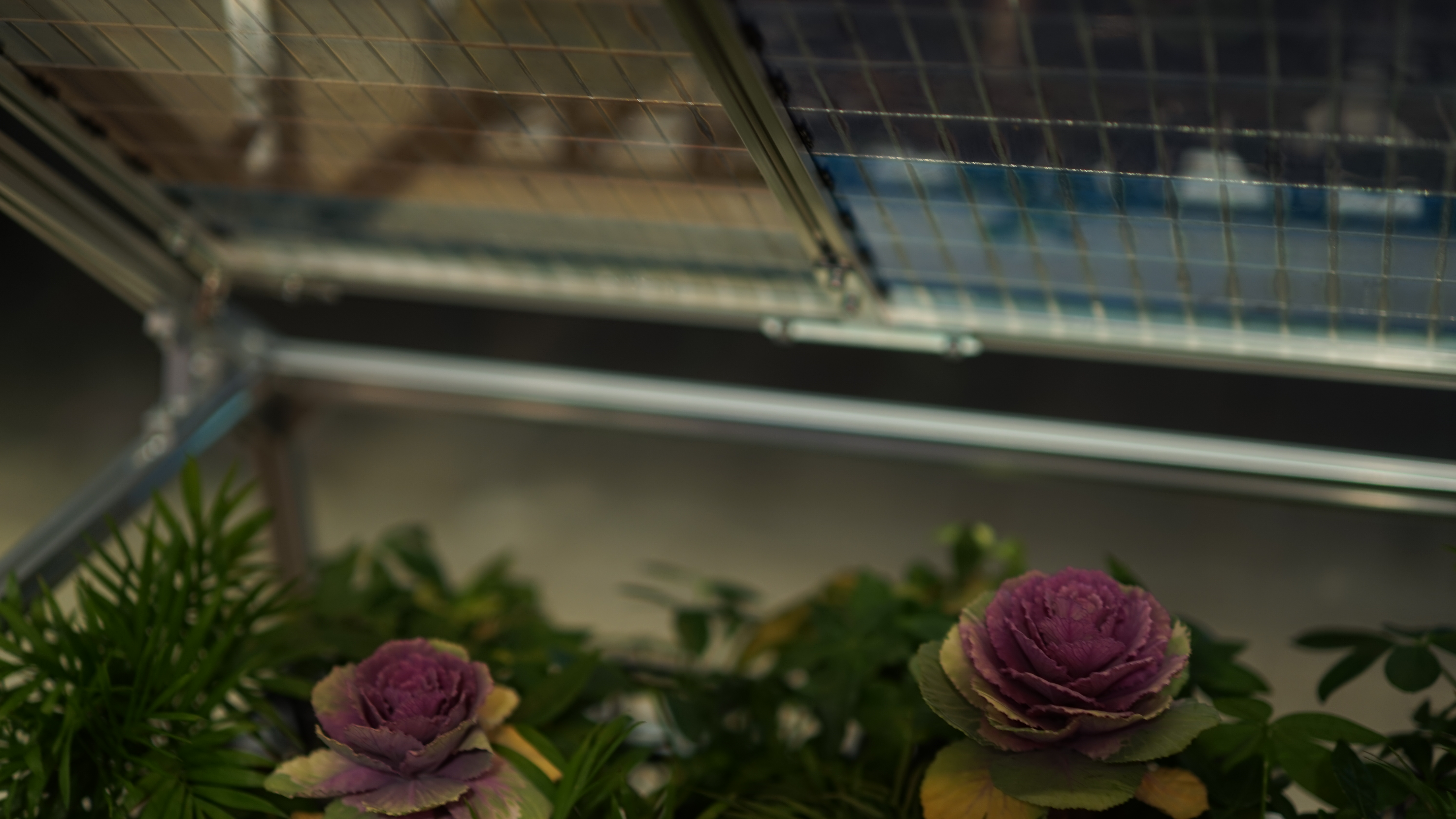
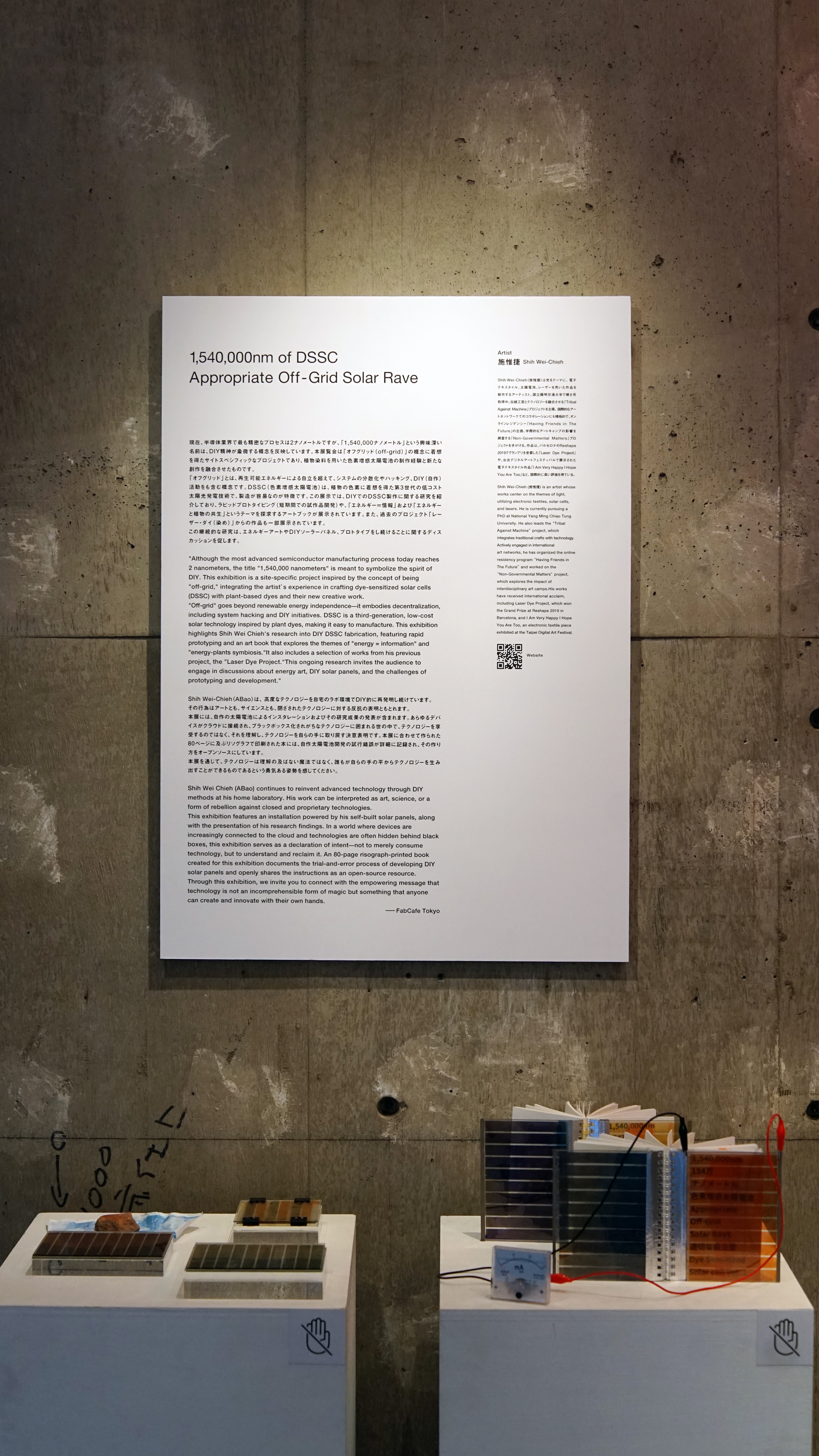
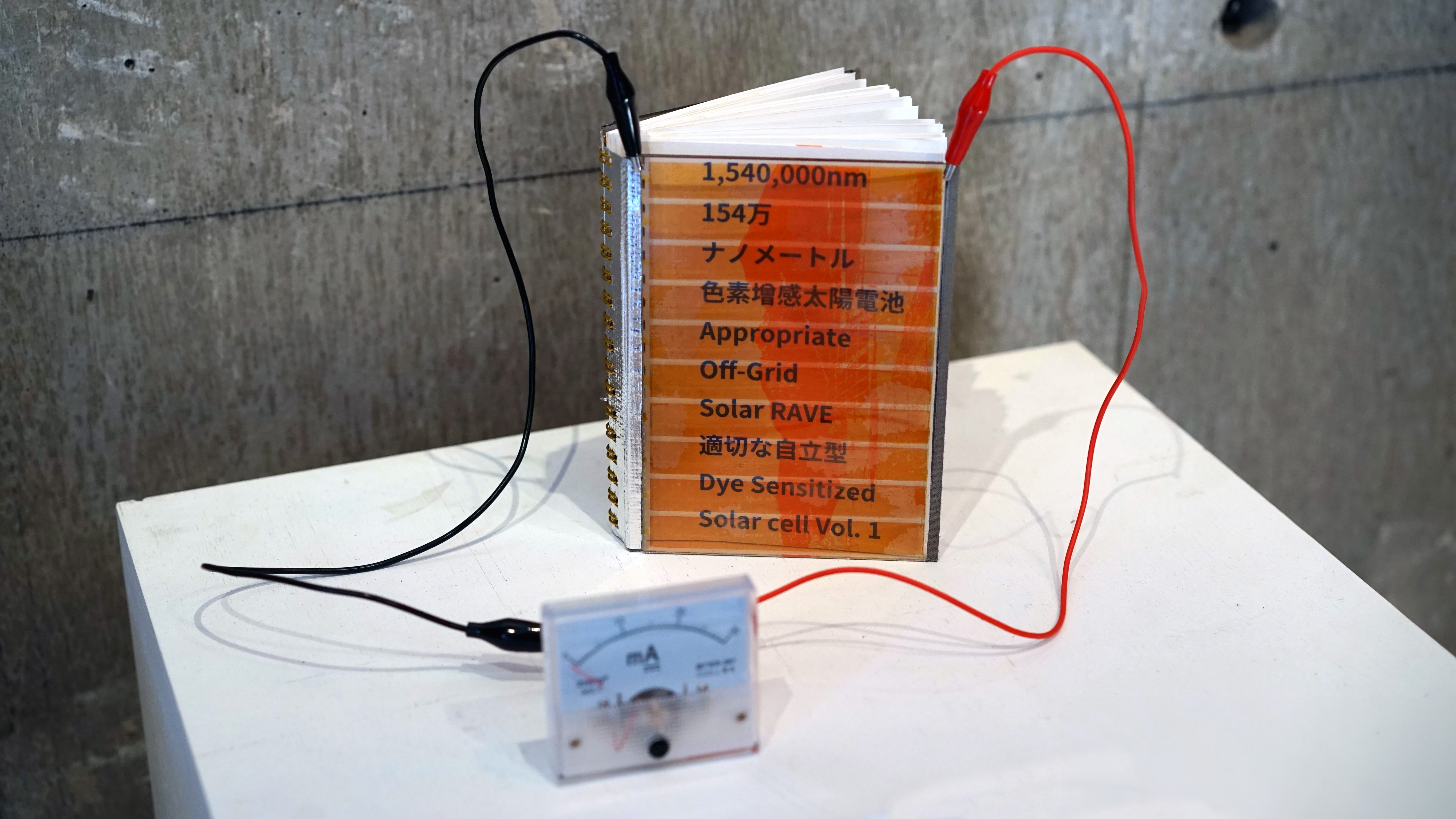
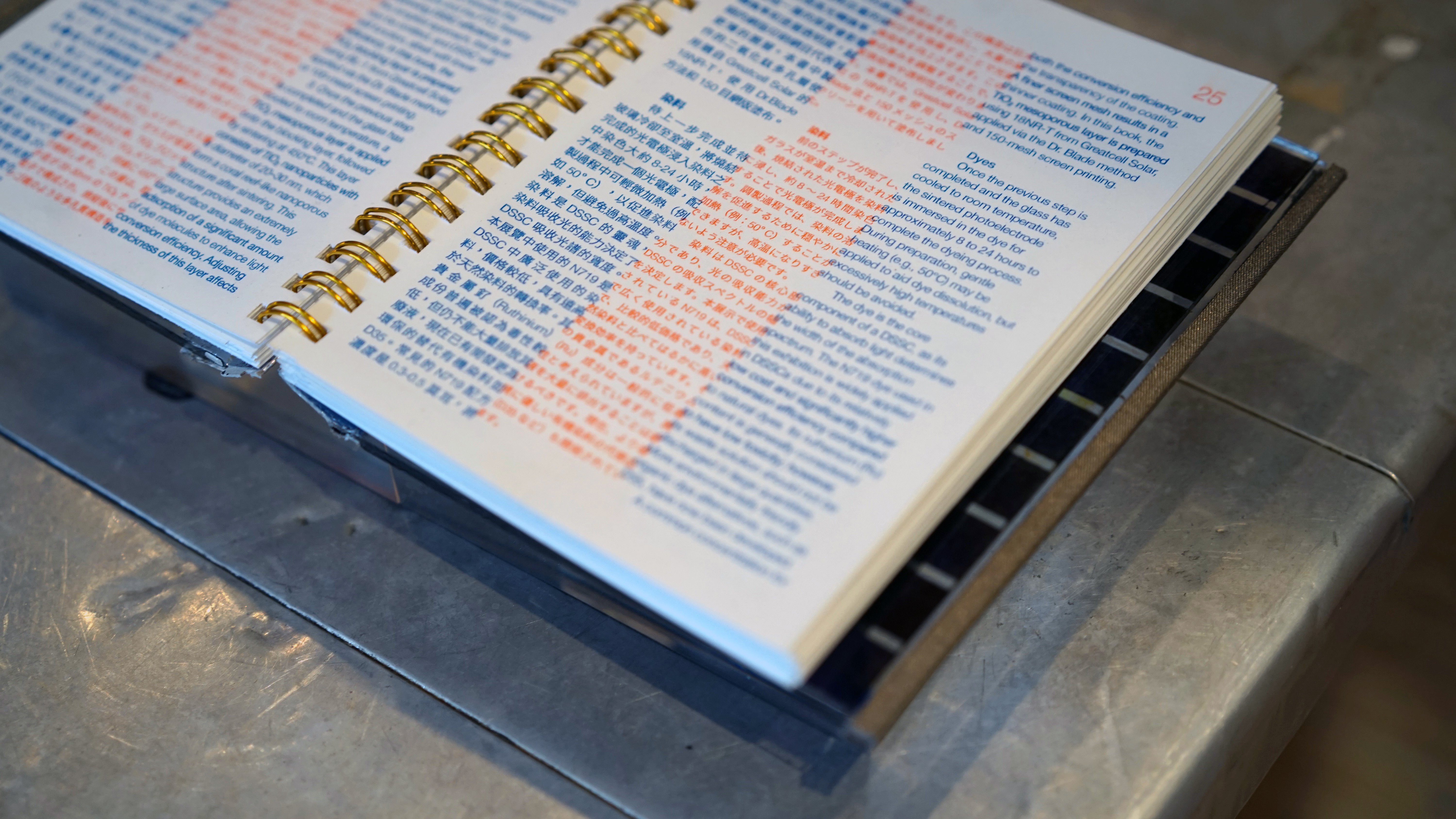
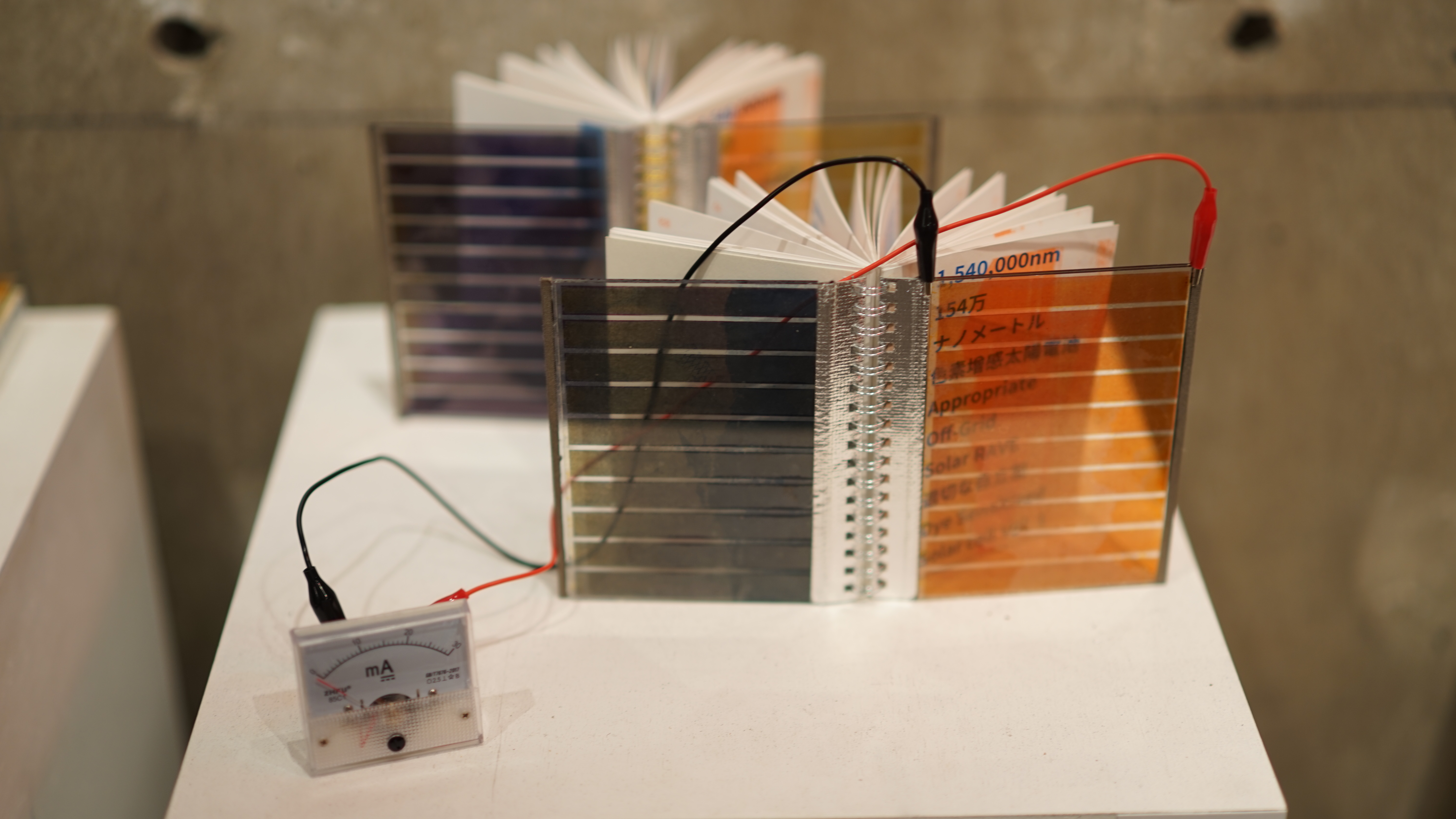
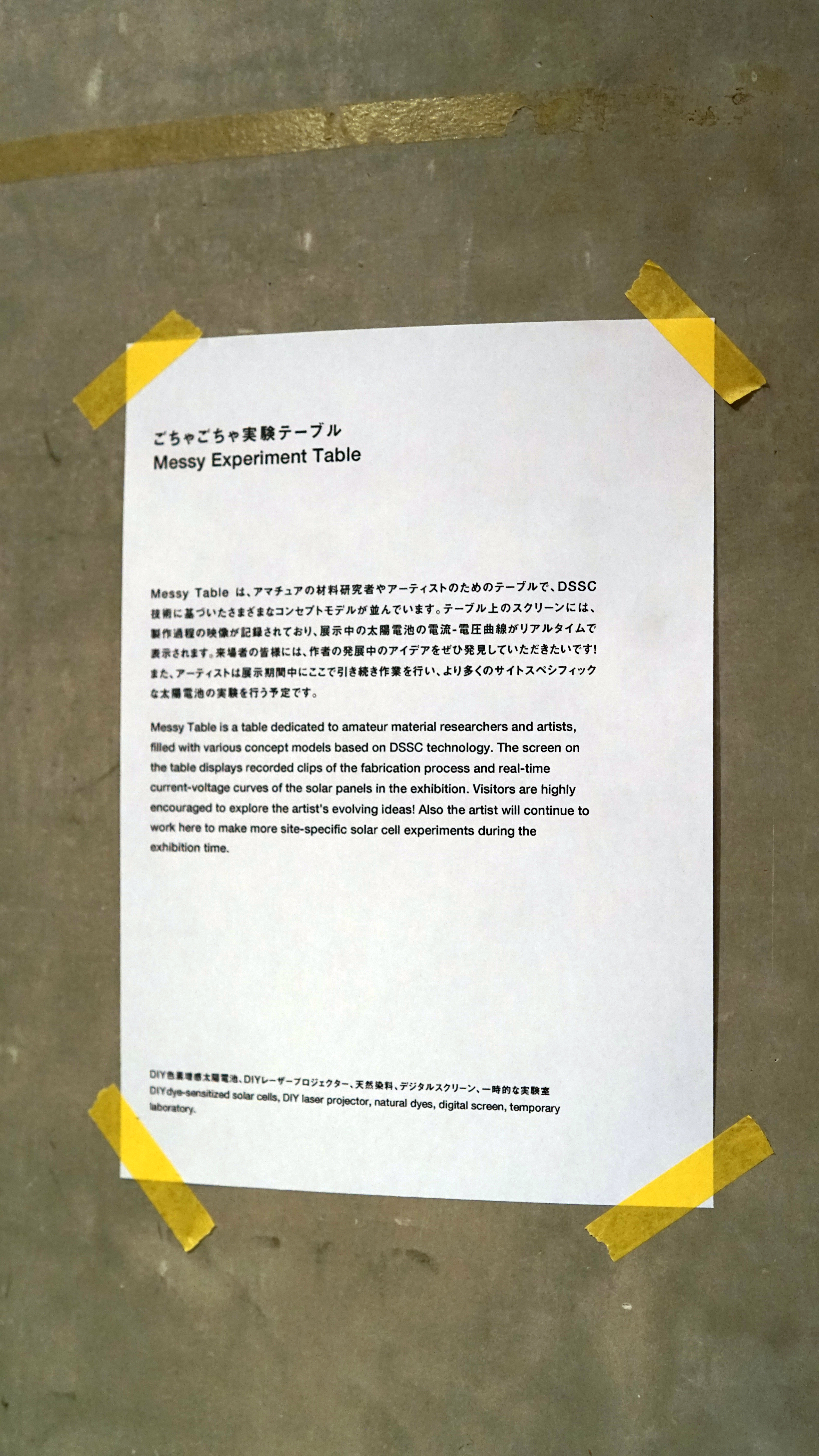
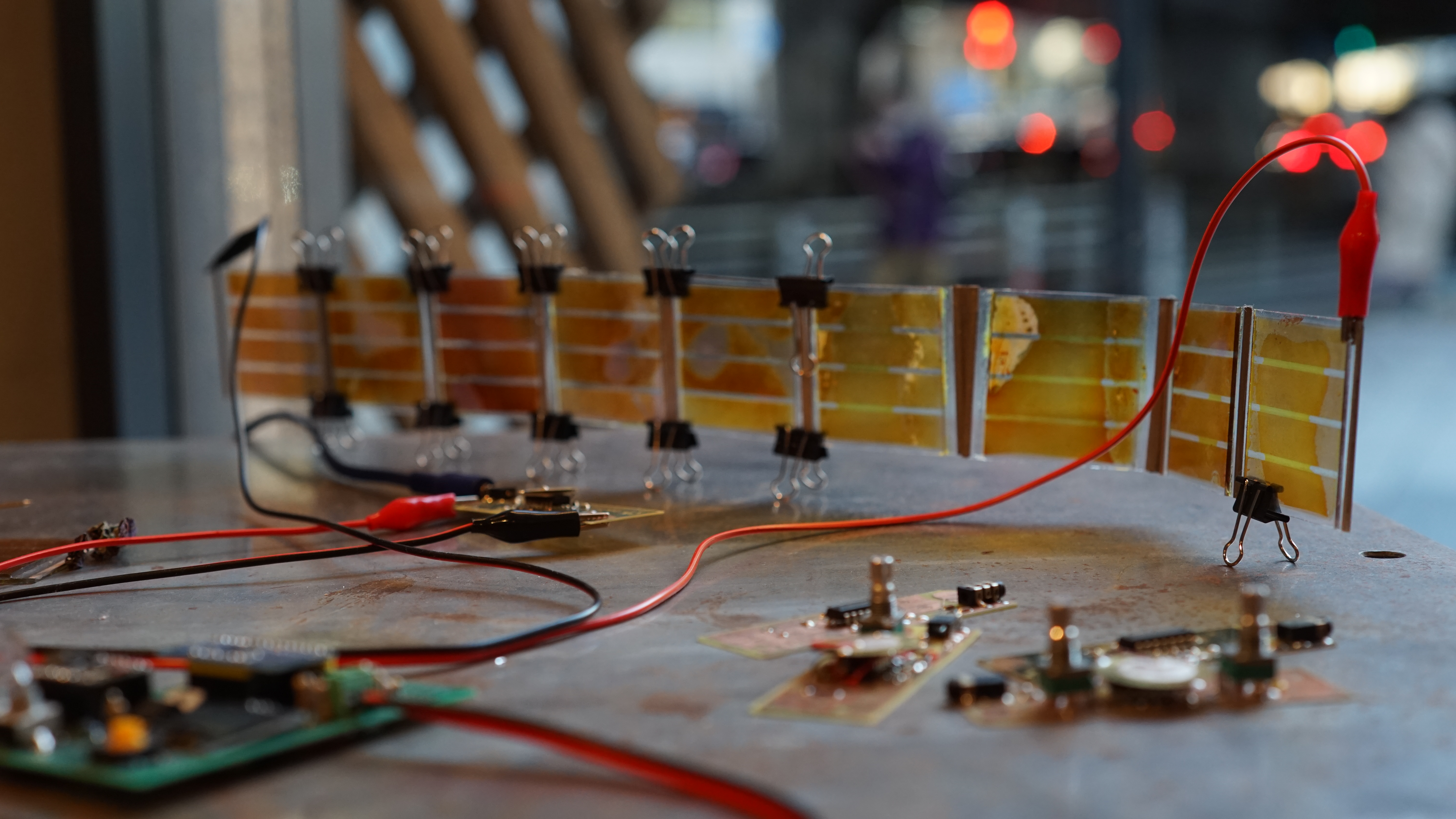
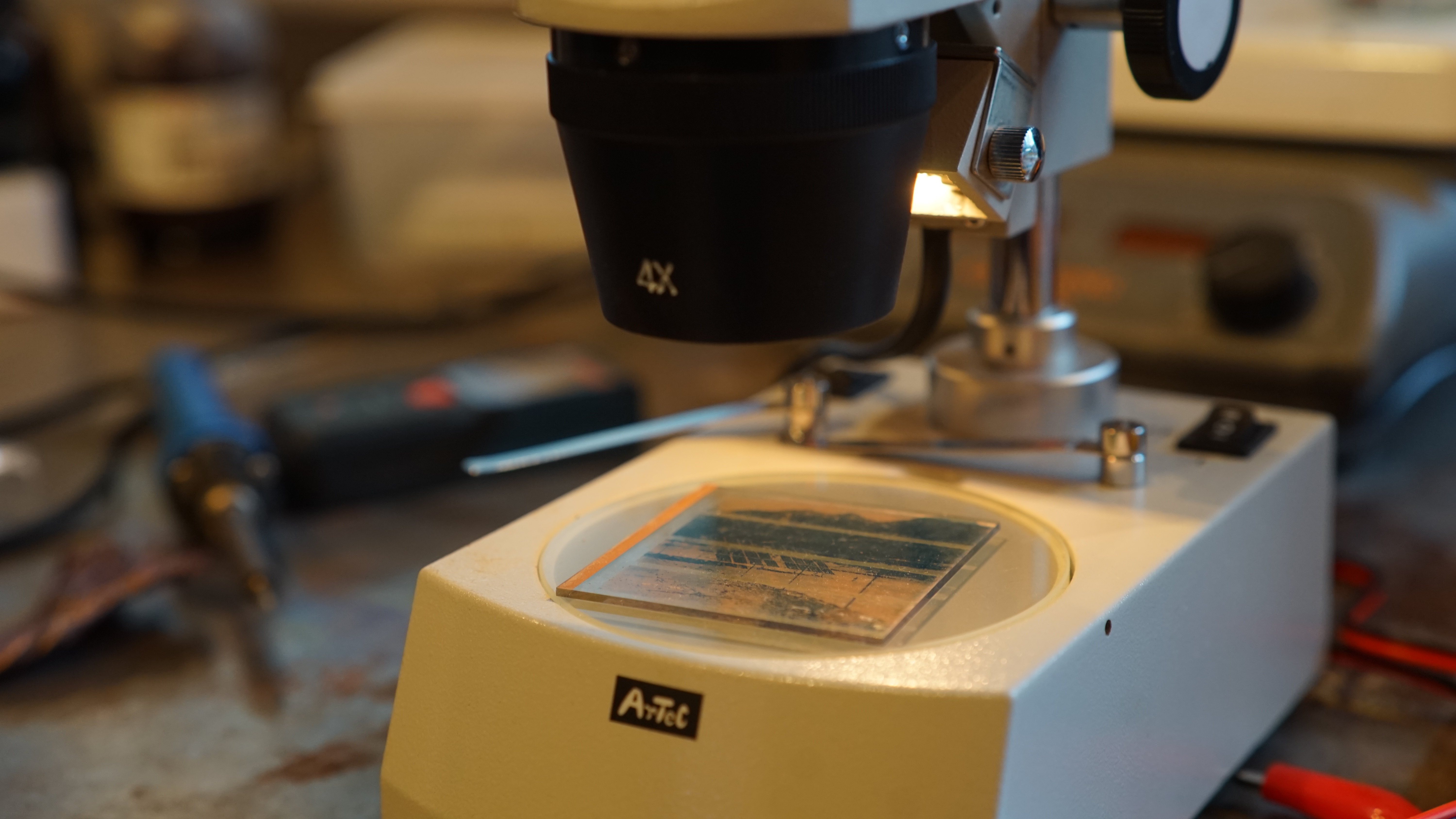
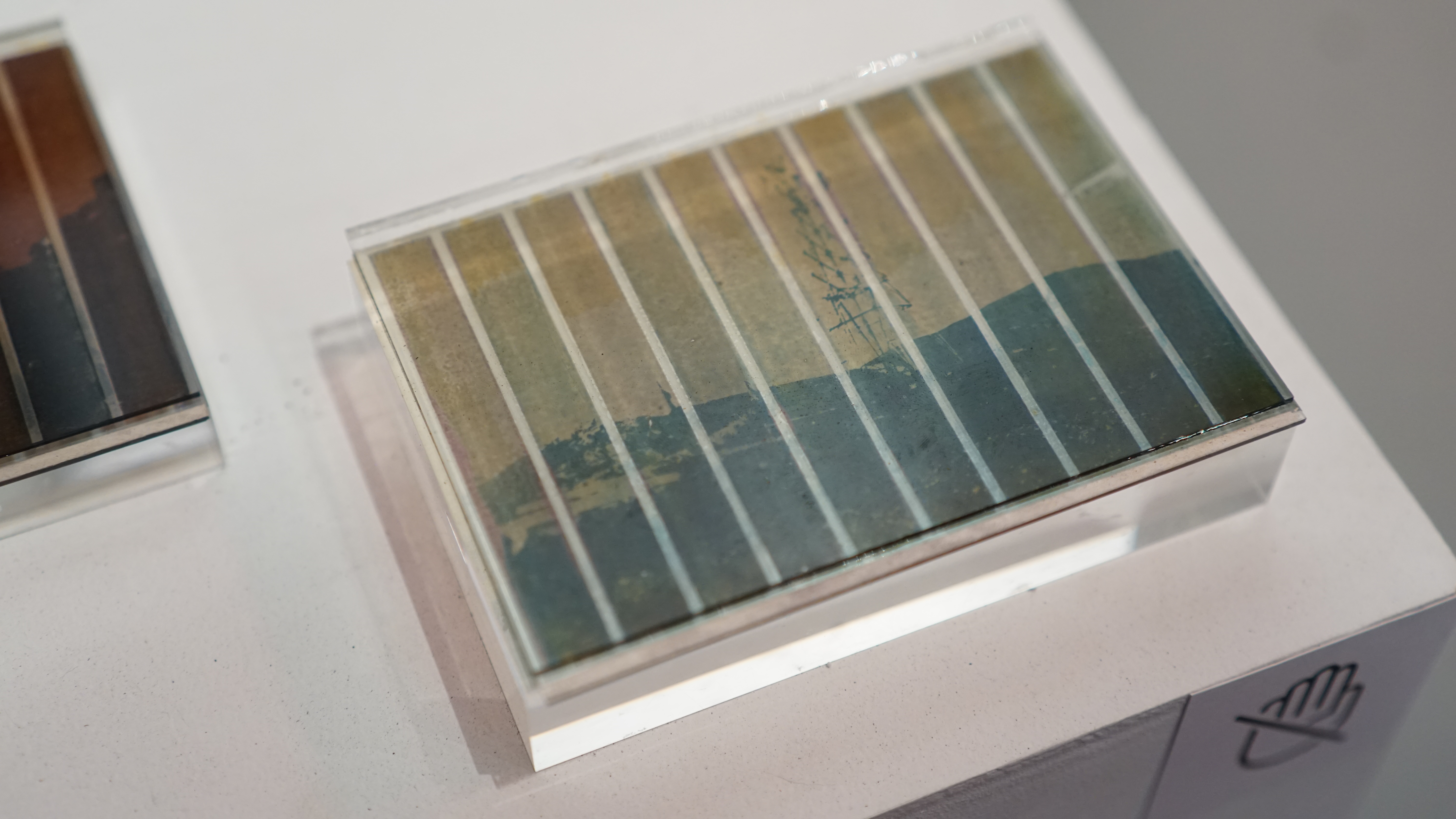

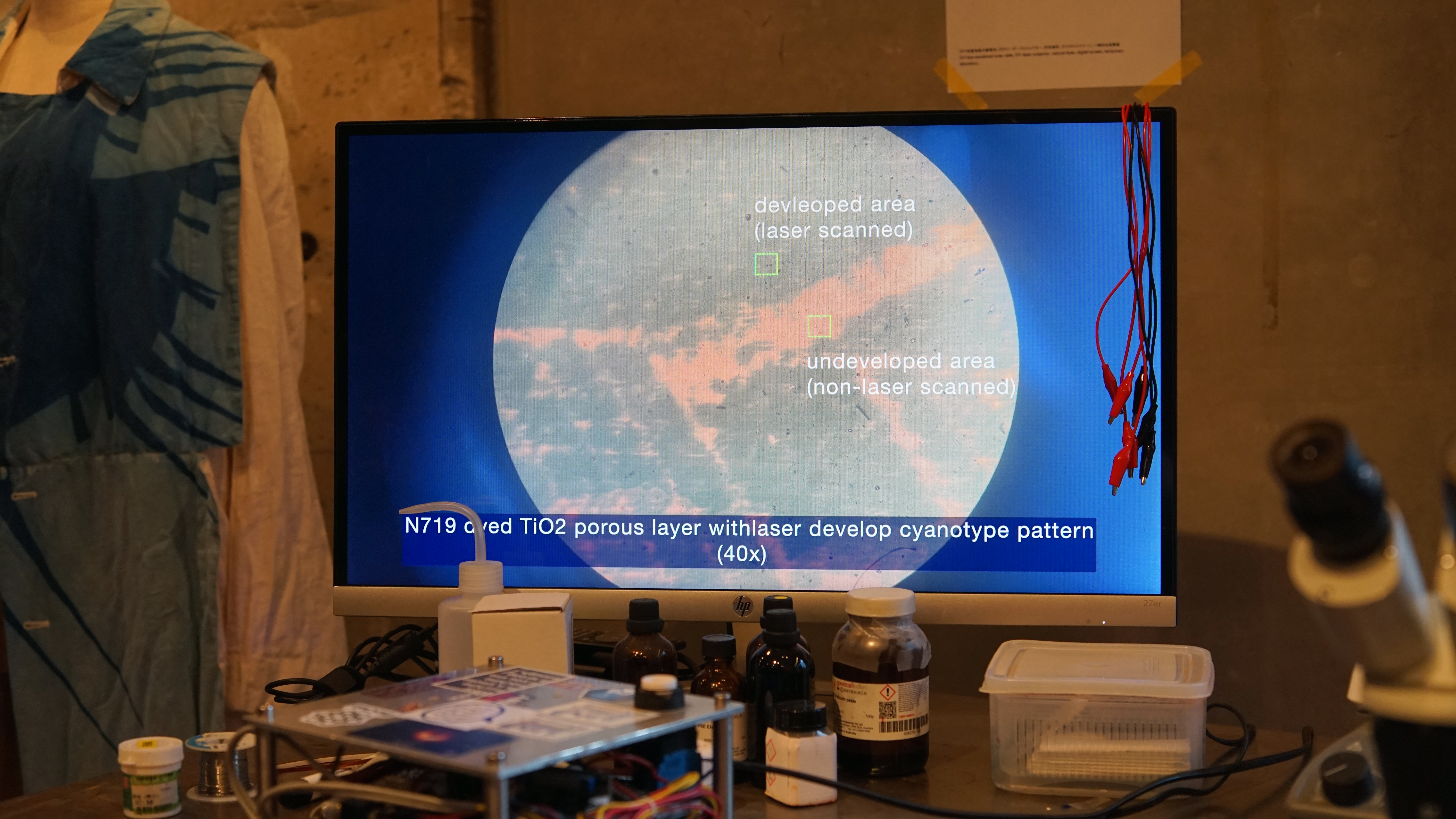
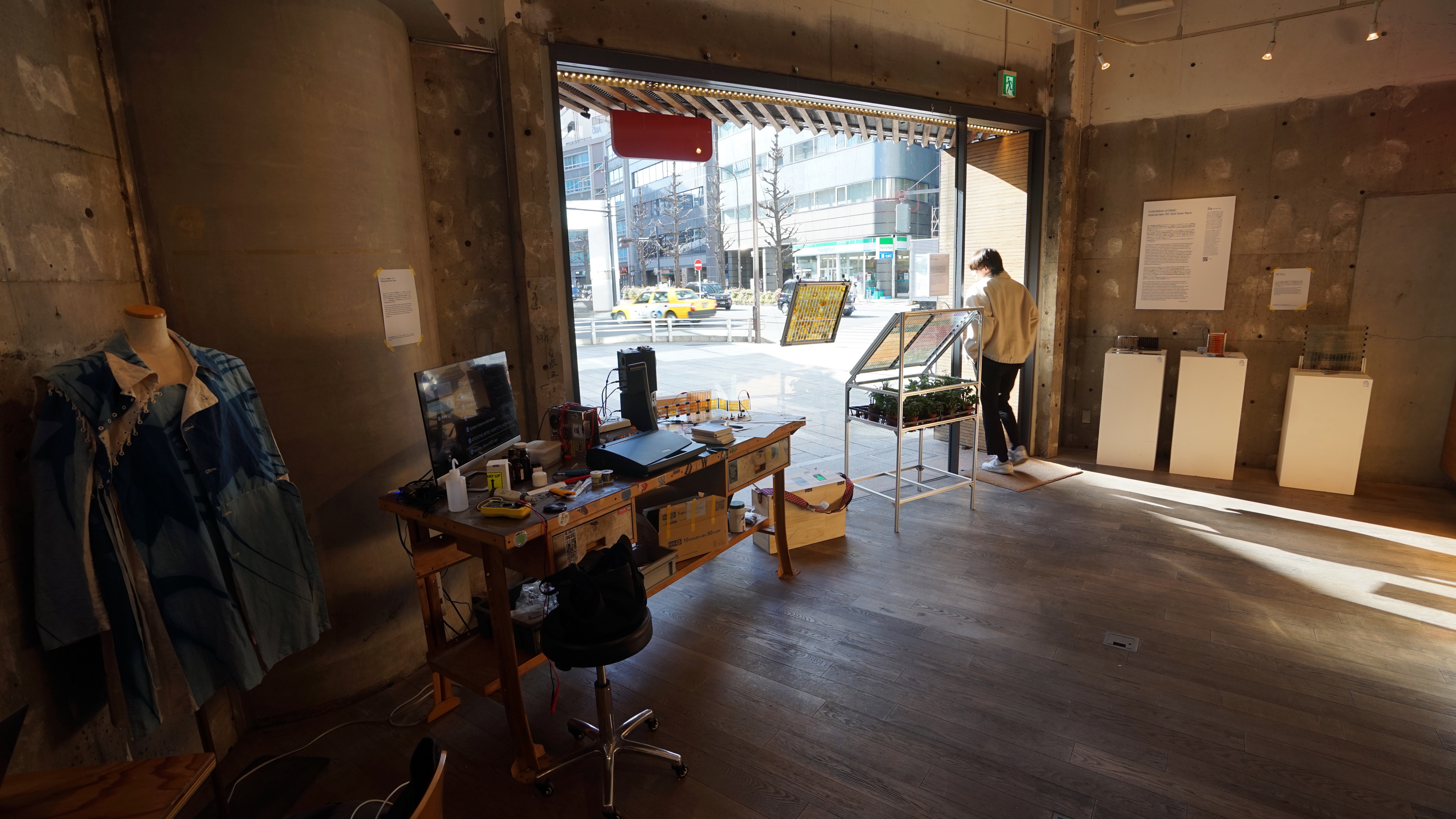
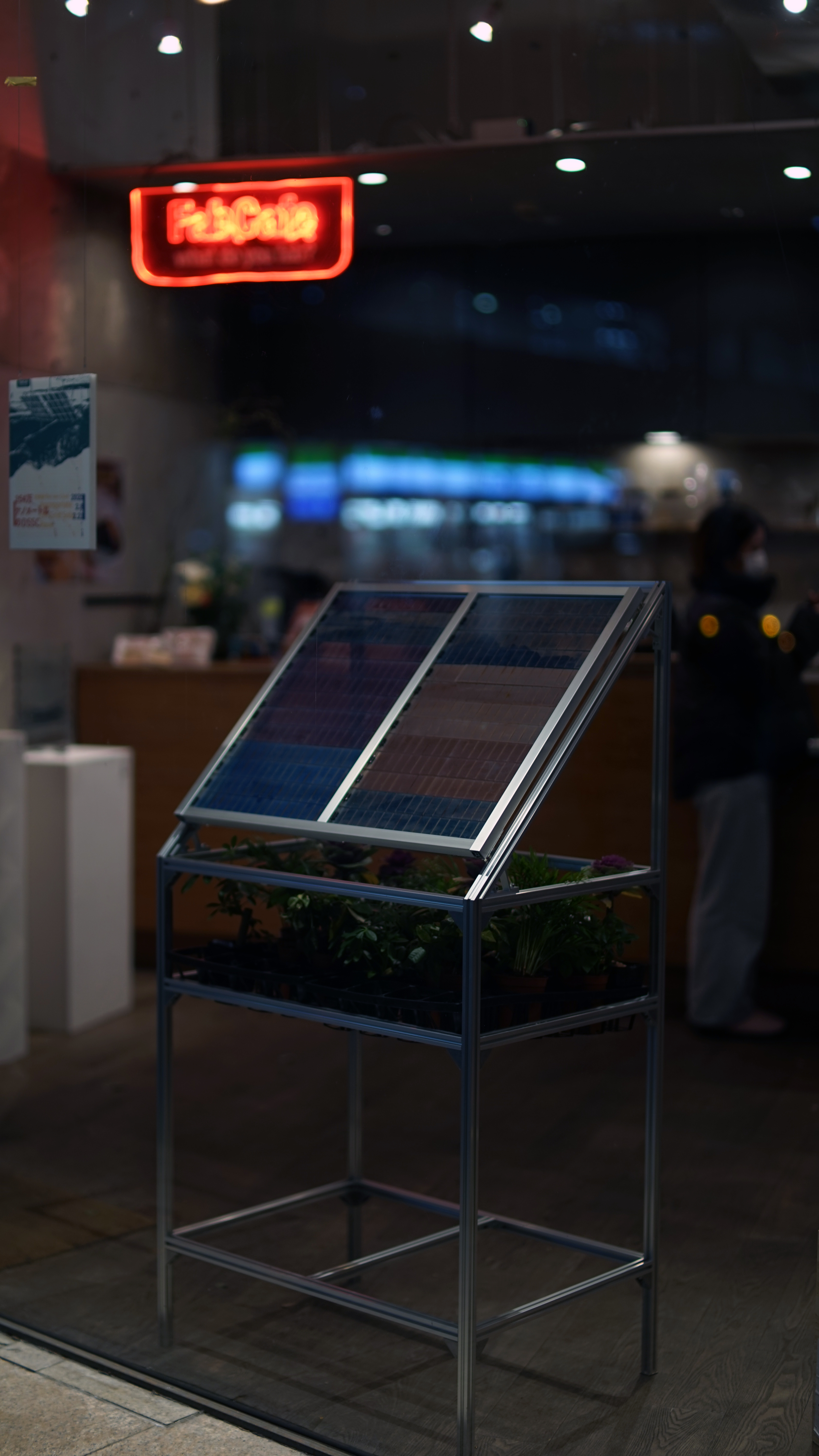
雖然當今最先進的半導體製程已達 2 奈米,「1,540,000 奈米」意在象徵一種 DIY 精神。這檔展覽是關於「適切的離網太陽能狂歡」的場域特定計畫——聚集並分享自身創造的能量。染料敏化太陽能電池(DSSC)在當代以「離網 off-grid」小裝置追求能源自主的論述中,或許顯得陳舊而不切實際,然而它體現了去中心化、低成本可複製,以及「適切科技」的願景。
展覽聚焦於施惟捷對 DIY DSSC 製作的研究,並透過教學型工作坊與對談式實驗室,把科學學習的方法轉化為一種社會性教學。運用自製工具、臨時材料與在地植物作為染料來源,計畫開啟了關於開源能源、DIY 太陽能技術,以及在課堂內外進行原型製作之挑戰等關鍵提問。
施惟捷持續以 DIY 方法重塑先進技術,作為對「異化科技」的一種反叛;其脈絡橫跨藝術、科學與展覽實踐,並與市場與專有技術保持距離。
以獨立自己自足的視野為出發點,施惟捷將 hack lab 的方法帶入混合型社群實驗室(hybrid social labs),串連非營利獨立空間,橋接科技與知識社群,拼裝完成本計畫。這檔展覽是一種公開的立場宣言——不躲在黑箱後,而是體現在不按常規、往往凌亂卻活躍的社群教育中,以回應能源脆弱性與知識階序。
展場中的太陽能板也以開源資源的方式分享此意圖:手工製作並公開釋出,作為他人可複製的開源裝置;其中的瑕疵被保留為具有生成潛力的特性。透過這些「太陽能小書」,作品傳遞自我賦能的訊息:高科技門檻不是令人疏離的,而可以是人人得以親手創造與創新的事物。
展覽聚焦於施惟捷對 DIY DSSC 製作的研究,並透過教學型工作坊與對談式實驗室,把科學學習的方法轉化為一種社會性教學。運用自製工具、臨時材料與在地植物作為染料來源,計畫開啟了關於開源能源、DIY 太陽能技術,以及在課堂內外進行原型製作之挑戰等關鍵提問。
施惟捷持續以 DIY 方法重塑先進技術,作為對「異化科技」的一種反叛;其脈絡橫跨藝術、科學與展覽實踐,並與市場與專有技術保持距離。
以獨立自己自足的視野為出發點,施惟捷將 hack lab 的方法帶入混合型社群實驗室(hybrid social labs),串連非營利獨立空間,橋接科技與知識社群,拼裝完成本計畫。這檔展覽是一種公開的立場宣言——不躲在黑箱後,而是體現在不按常規、往往凌亂卻活躍的社群教育中,以回應能源脆弱性與知識階序。
展場中的太陽能板也以開源資源的方式分享此意圖:手工製作並公開釋出,作為他人可複製的開源裝置;其中的瑕疵被保留為具有生成潛力的特性。透過這些「太陽能小書」,作品傳遞自我賦能的訊息:高科技門檻不是令人疏離的,而可以是人人得以親手創造與創新的事物。
Although the most advanced semiconductor manufacturing process today reaches 2 nanometers, the title “1,540,000 nanometer” is meant to symbolize the spirit of DIY. This exhibition is a site-specific project on appropriate off-grid solar rave—gathering and sharing one’s own creative energy. Dye-sensitized solar cells (DSSCs) might appear obsolete and entirely impracticable in the modern discourse on “off-grid” gadget-based energy independence, yet they embody decentralization, low-cost reproducibility, and a vision of appropriate technology.
This exhibition highlights Shih Wei Chieh’s research into DIY DSSC fabrication, featuring tuition workshops and talk labs that reframe methods of science learning into social pedagogy. Using DIY tools, makeshift materials, and local plants as dye sources, the project opens critical questions about open source energy, DIY solar technologies, and the challenges of prototyping in classrooms and beyond.
Shih Wei Chieh continues to reinvent advanced technology through DIY methods as a rebellion against alienated technology in the context of art, science, and modes of exhibition against market and proprietary technologies.
With a vision of self-reliant access, Abao incorporates hack labs in hybrid social labs, along with activities in Asia and Europe that bridge technology and knowledge communities. This exhibition is a declaration of interest—not hidden behind black boxes, but embodied by an education in offbeat and often messy communities that respond to both energy precarity and knowledge hierarchies.
The solar panels on display share this intention as an open-source resource: handmade and openly available, these functions act as open-source devices replicable by others, with imperfections left as generative affordances. Through these solar notebooks, the work communicates a self-empowering message that technology does not have to be inaccessible or alienating, but could be something everyone can create and innovate with their own hands.
This exhibition highlights Shih Wei Chieh’s research into DIY DSSC fabrication, featuring tuition workshops and talk labs that reframe methods of science learning into social pedagogy. Using DIY tools, makeshift materials, and local plants as dye sources, the project opens critical questions about open source energy, DIY solar technologies, and the challenges of prototyping in classrooms and beyond.
Shih Wei Chieh continues to reinvent advanced technology through DIY methods as a rebellion against alienated technology in the context of art, science, and modes of exhibition against market and proprietary technologies.
With a vision of self-reliant access, Abao incorporates hack labs in hybrid social labs, along with activities in Asia and Europe that bridge technology and knowledge communities. This exhibition is a declaration of interest—not hidden behind black boxes, but embodied by an education in offbeat and often messy communities that respond to both energy precarity and knowledge hierarchies.
The solar panels on display share this intention as an open-source resource: handmade and openly available, these functions act as open-source devices replicable by others, with imperfections left as generative affordances. Through these solar notebooks, the work communicates a self-empowering message that technology does not have to be inaccessible or alienating, but could be something everyone can create and innovate with their own hands.


Loose Energy Curriculum At The Humuspunk Library + Bioclub + SGMK residency
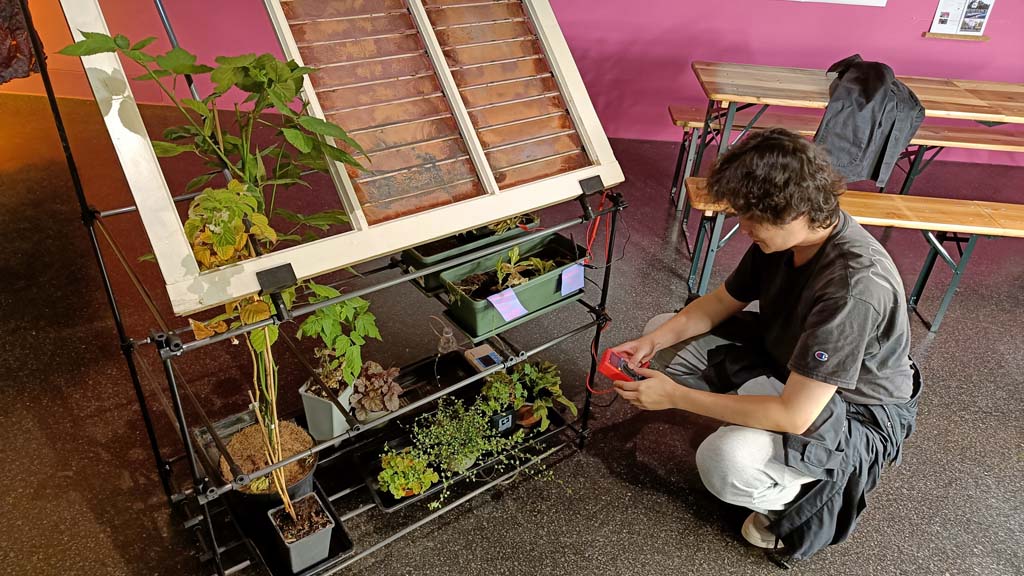
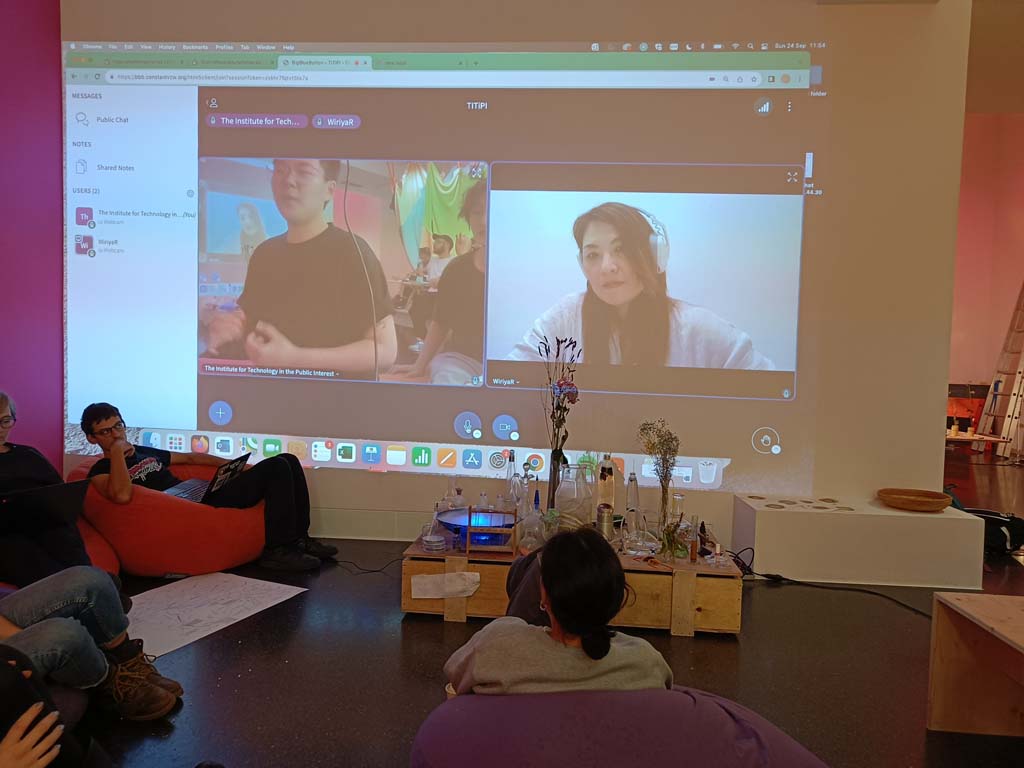


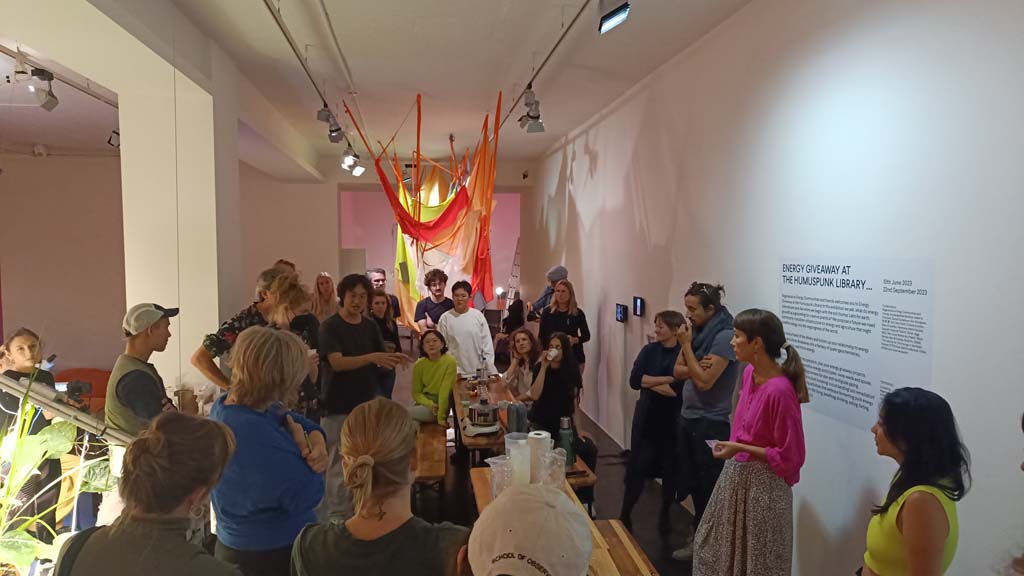
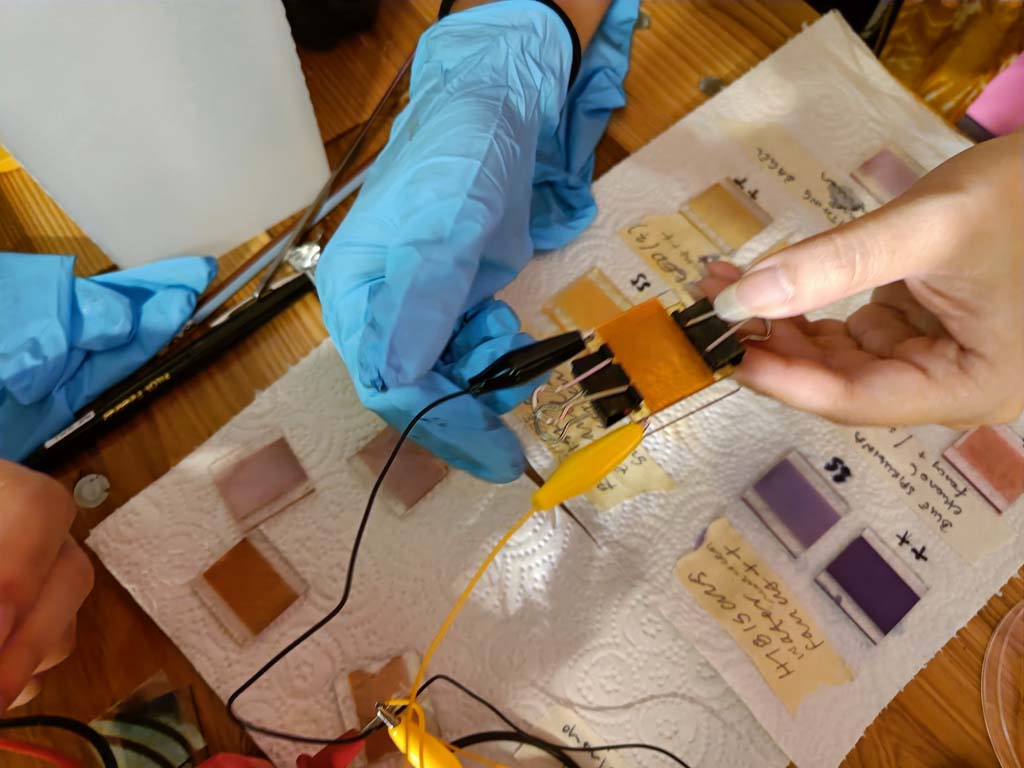
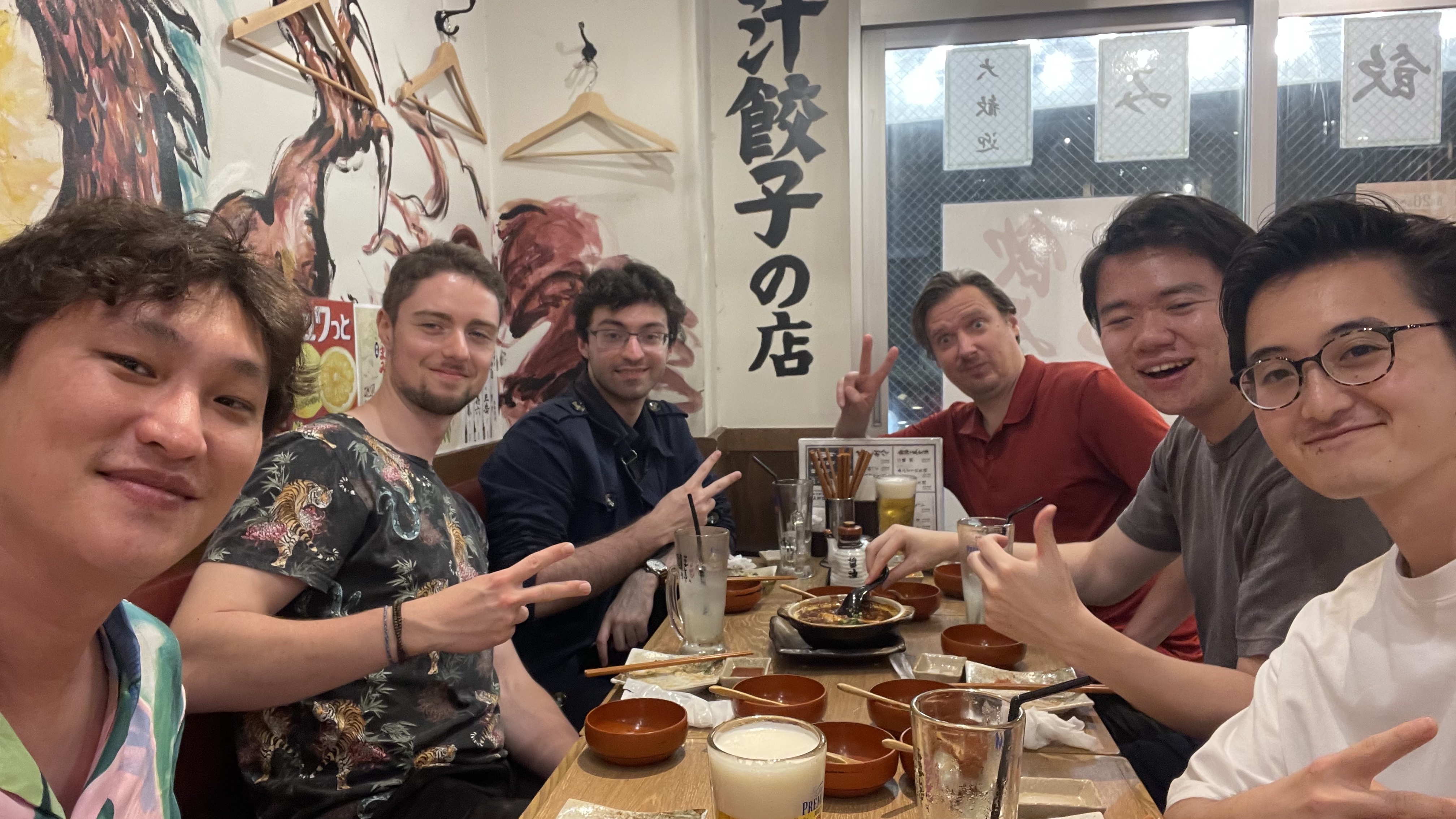
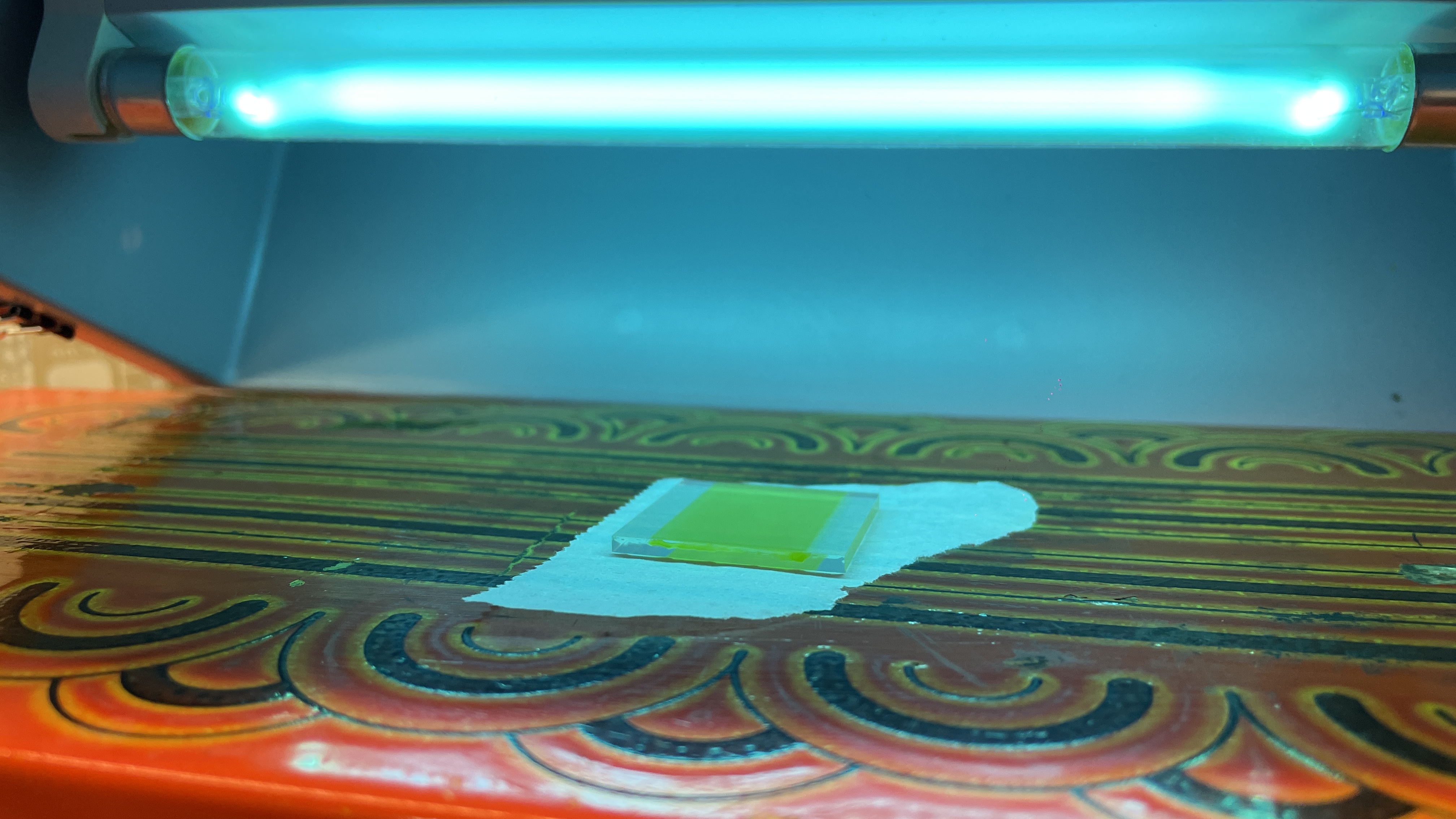
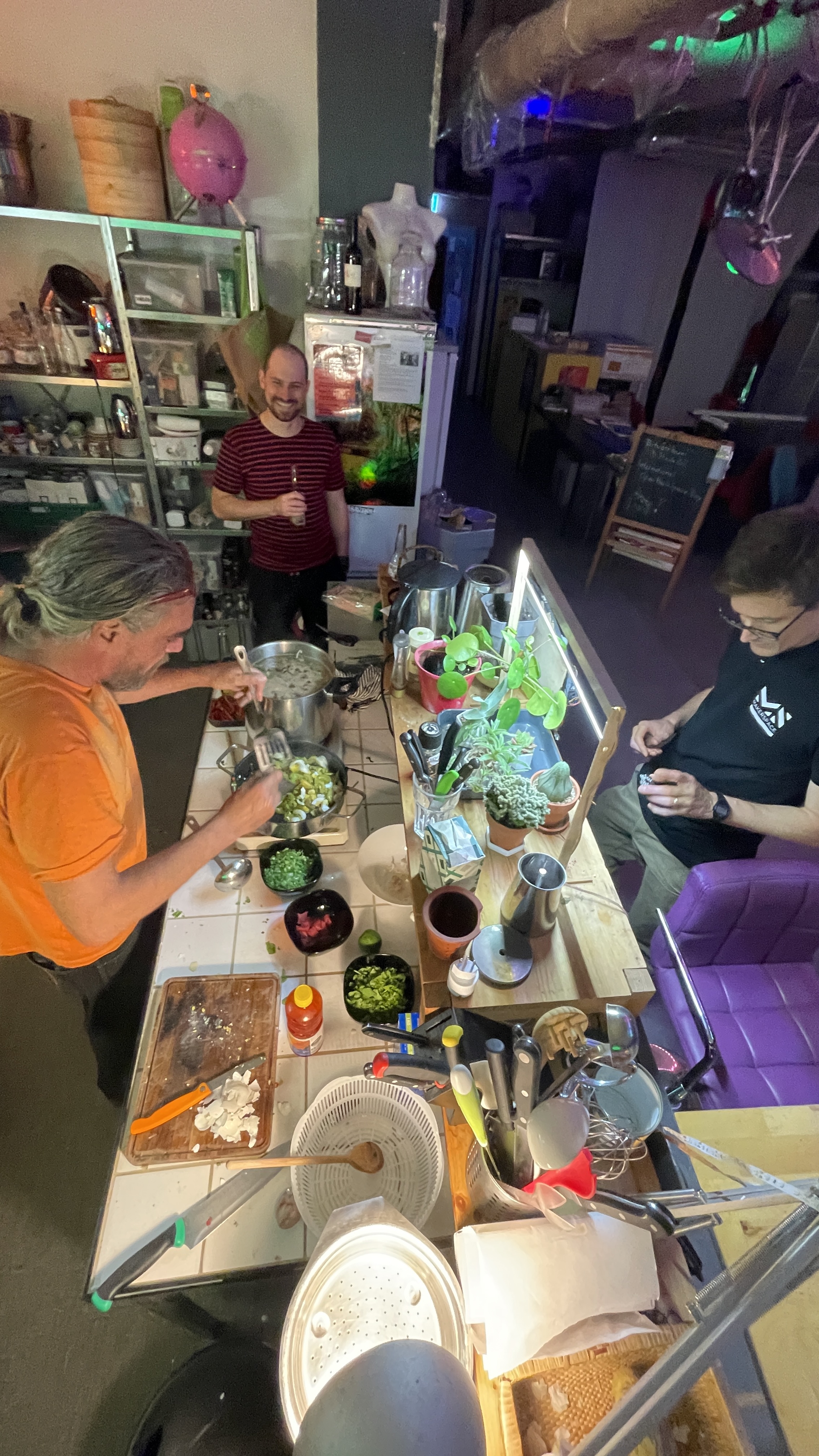
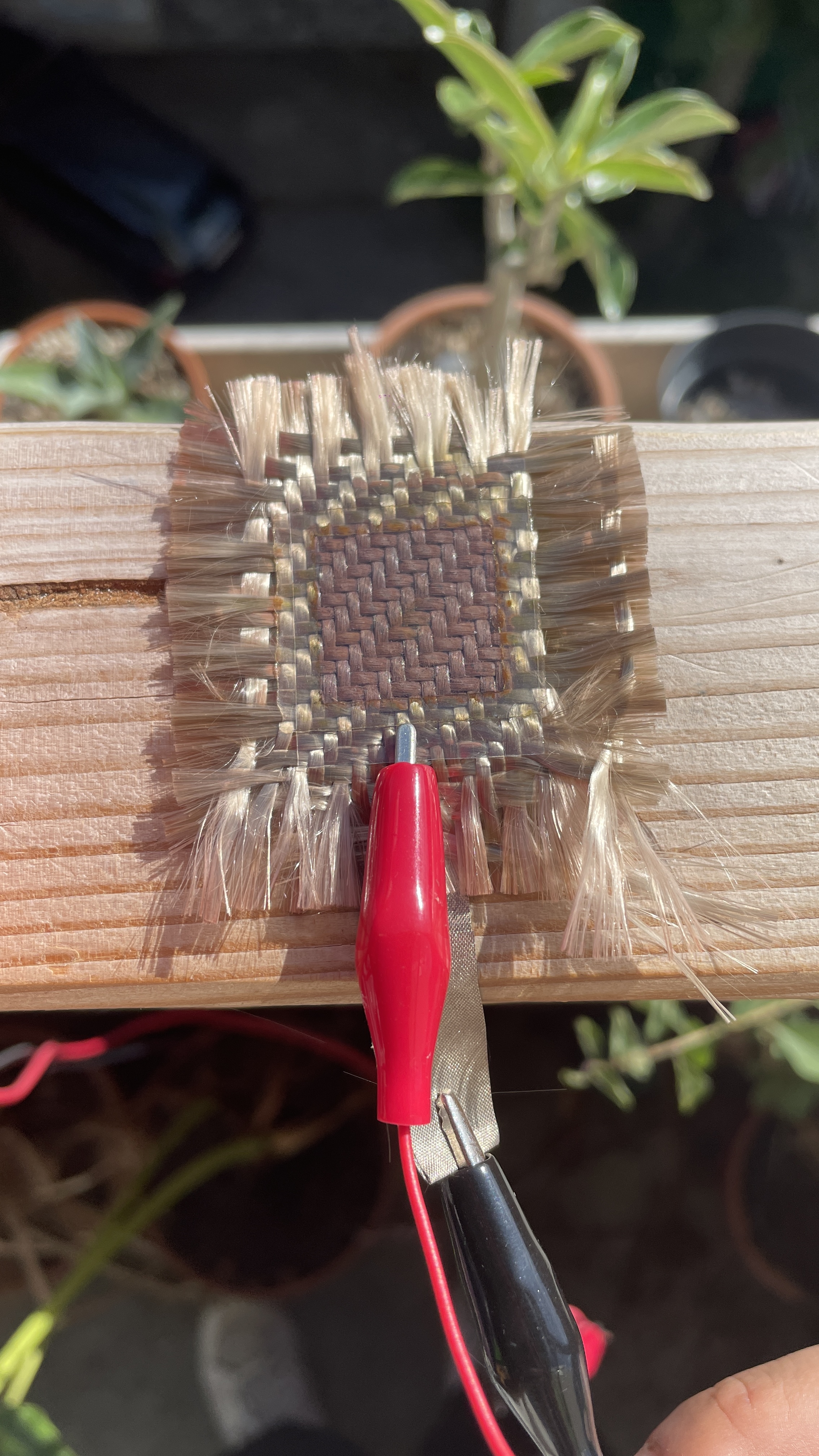
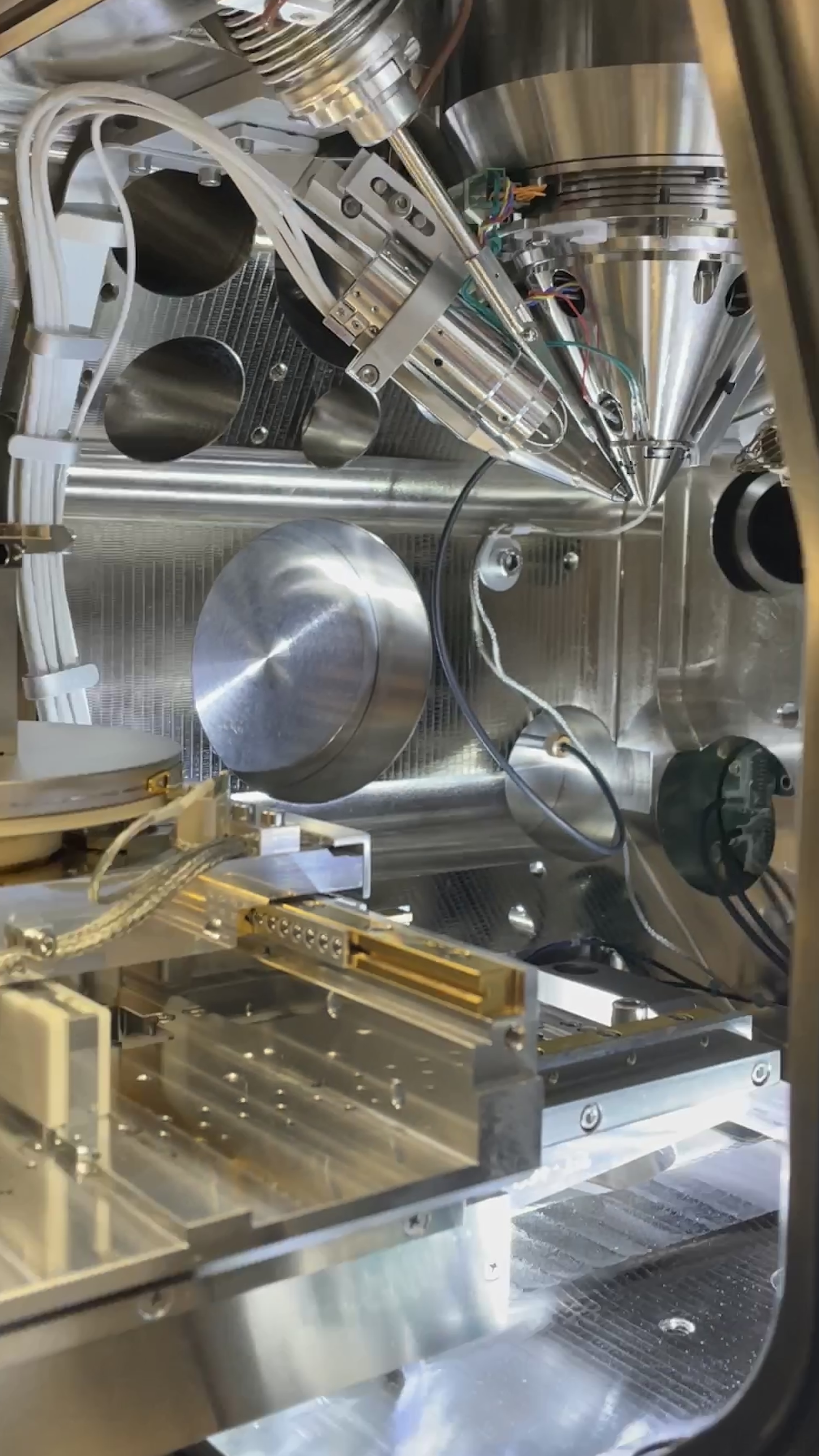
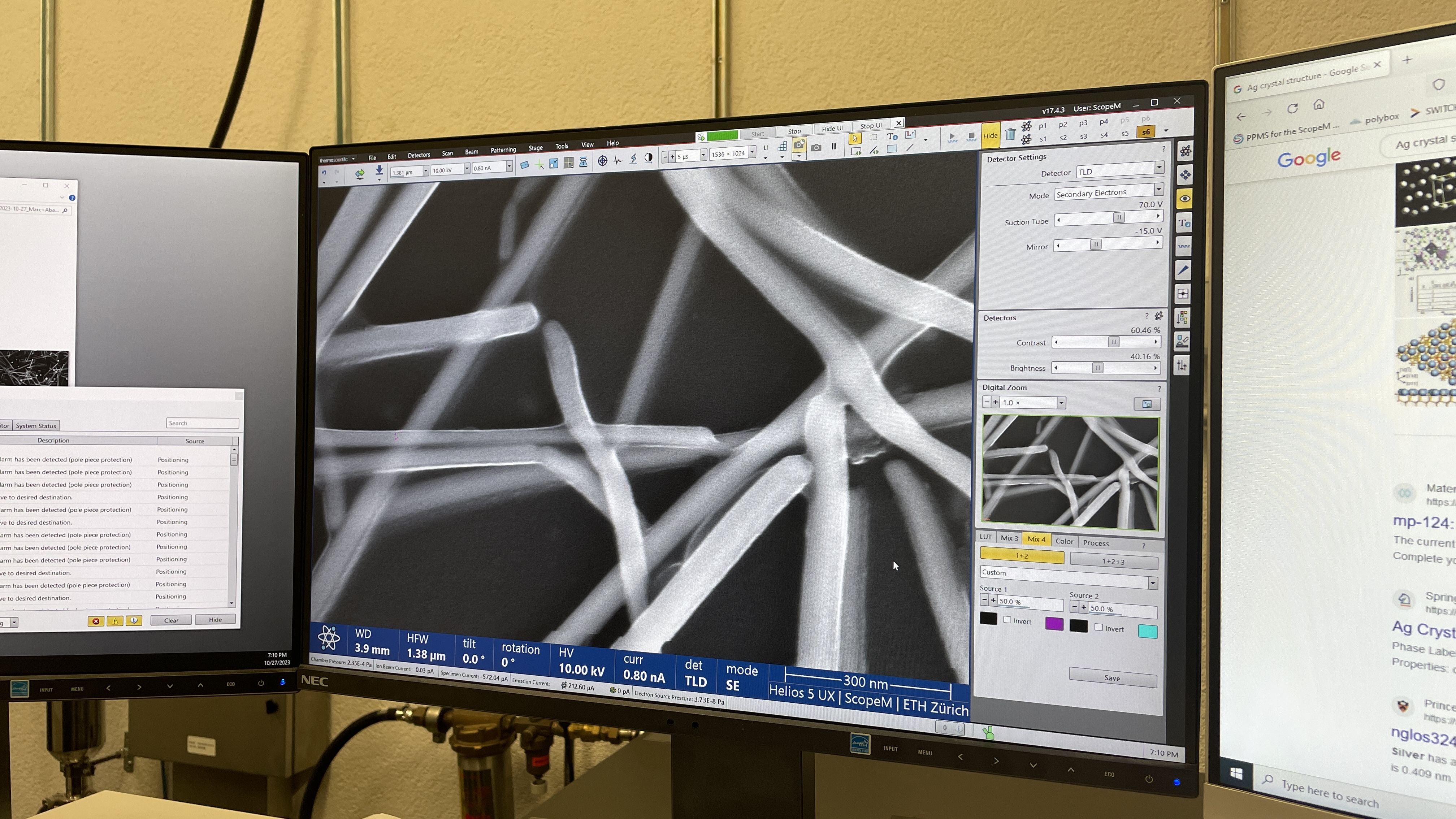
這個實驗藝術駐村行動由藝術網絡、創客空間以及獨立實驗室組成,地點橫跨日本和瑞士,為時 3 個月,內容由研究駐村和藝術展覽組成。我在日本 Bioclub Tokyo 和 Fabcafe Tokyo 初步進行了奈米銀線合成。接下來在蘇黎世的 SGMK的Hacker in residency 進行後續實驗,並同步在 Regenerative Energy Community (REC)組織的 「ENERGY GIVEAWAY AT THE HUMANPUNK LIBRARY」 展覽中展出作品。
本駐村研究內容與目標圍繞著 DIY 太陽能紡織品,包括奈米銀線的合成方法。奈米銀線是製造透明且導電薄膜的重要材料,也是許多太陽能穿戴織品的解決方案。雖然最終沒有成功合成出足夠長度的奈米銀線,但是其合成技術在製造藝術品和藝術表現方法層面上有許多啟發。
這個游牧式的研究型展覽計劃藉由三個獨立組織共同完成,可以被看成在策展資源不足下,獨立藝術網絡和藝術家之間透過協作調配靈活運用現有資源組織非典型駐村模型的範例。
本駐村研究內容與目標圍繞著 DIY 太陽能紡織品,包括奈米銀線的合成方法。奈米銀線是製造透明且導電薄膜的重要材料,也是許多太陽能穿戴織品的解決方案。雖然最終沒有成功合成出足夠長度的奈米銀線,但是其合成技術在製造藝術品和藝術表現方法層面上有許多啟發。
這個游牧式的研究型展覽計劃藉由三個獨立組織共同完成,可以被看成在策展資源不足下,獨立藝術網絡和藝術家之間透過協作調配靈活運用現有資源組織非典型駐村模型的範例。
This self-organized residency program, focused on DIY dye-sensitized solar cell textiles, is comprised of several components primarily located in Japan and Switzerland, spanning a total duration of three months. The initial phase unfolded at Bioclub Tokyo within Fabcafe Tokyo, while the subsequent segment transpired at the Hackteria Open Source Biological Arts Platform in Zurich, indirectly receiving support from the exhibition "Energy Giveaway at The Humuspunk Library," orchestrated by the Regenerative Energy Community (REC).
The residency research centers on the production of flexible, functional dye-sensitized solar cell films or textiles through a DIY protocol. Additionally, a minor aspect involves preliminary experiments with silver nanowires and the synthesis method of it. A crucial material for crafting transparent and flexible conductive substrates at room temperature. The conclusive outcomes of the residency experiments are detailed in the provided wiki link.
The residency research centers on the production of flexible, functional dye-sensitized solar cell films or textiles through a DIY protocol. Additionally, a minor aspect involves preliminary experiments with silver nanowires and the synthesis method of it. A crucial material for crafting transparent and flexible conductive substrates at room temperature. The conclusive outcomes of the residency experiments are detailed in the provided wiki link.

 .
. 
DIY大型染料敏化太陽能電池 DIY Large Dye Sensitized Solar Cell
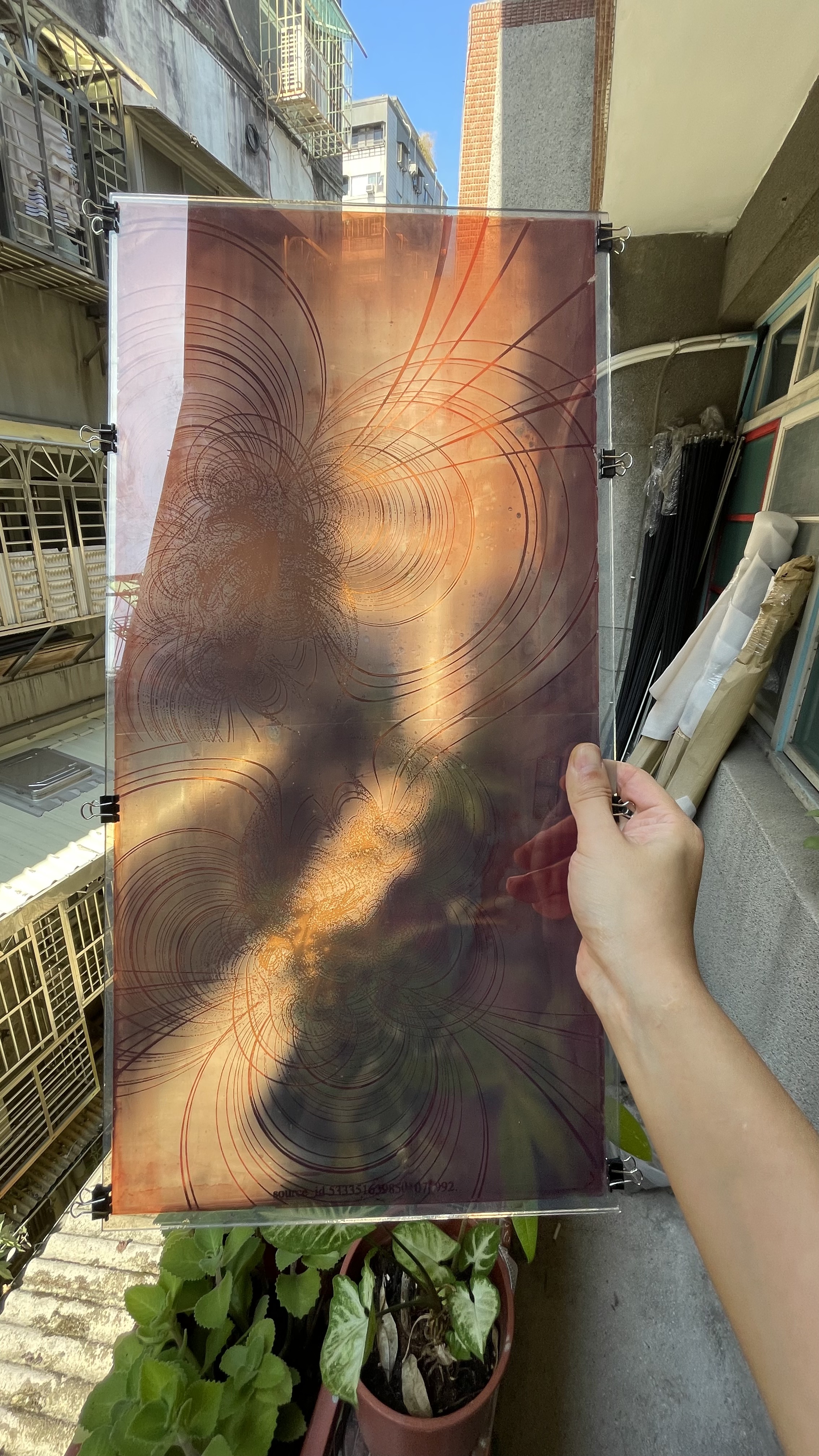

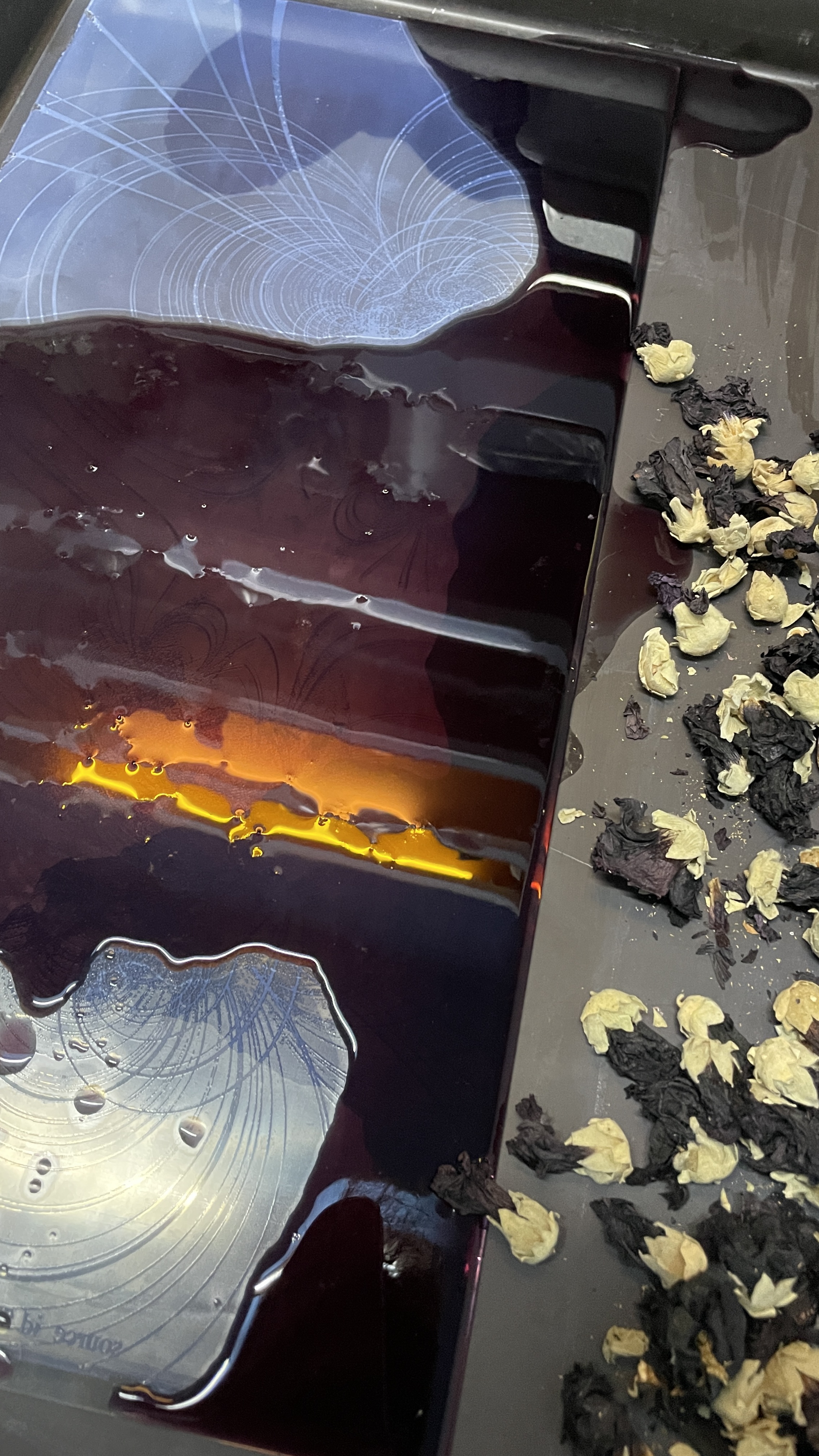


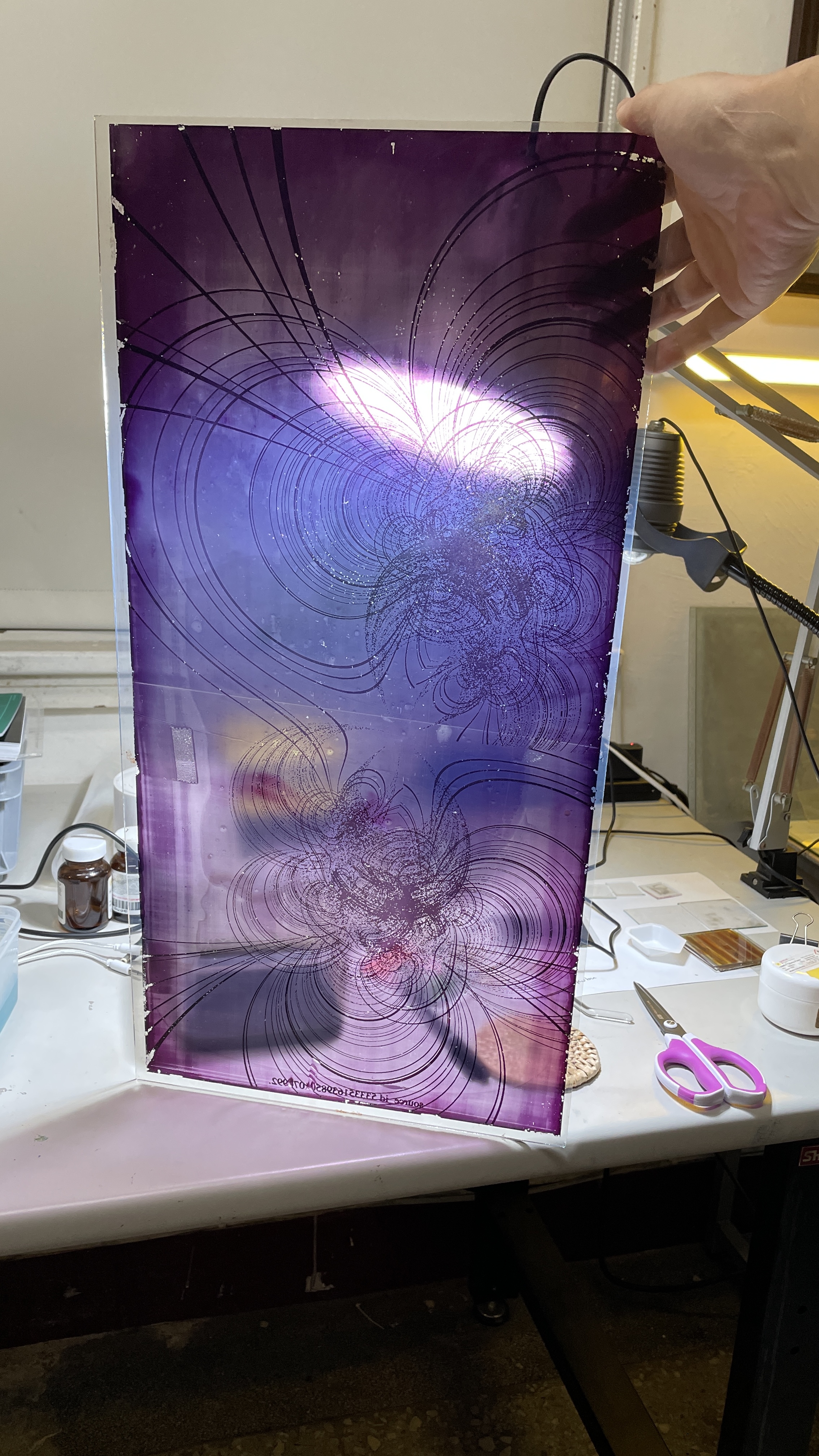
本實驗挑戰製造一個 30 × 60 cm 的大型染料敏化太陽能電池。染料敏化太陽能是一種易於製造且具製造成本相對低的光伏裝置。本實驗所使用的化學試劑主要來自 Greatcell Solar,成本約為每平方公分0.7美金。然而,此DIY版本的轉換率仍相對低,遠不及商業標準,這主要受限於系統內 FTO 或 ITO 層的高方阻、缺乏沙林膜封裝和電解液分布不均。
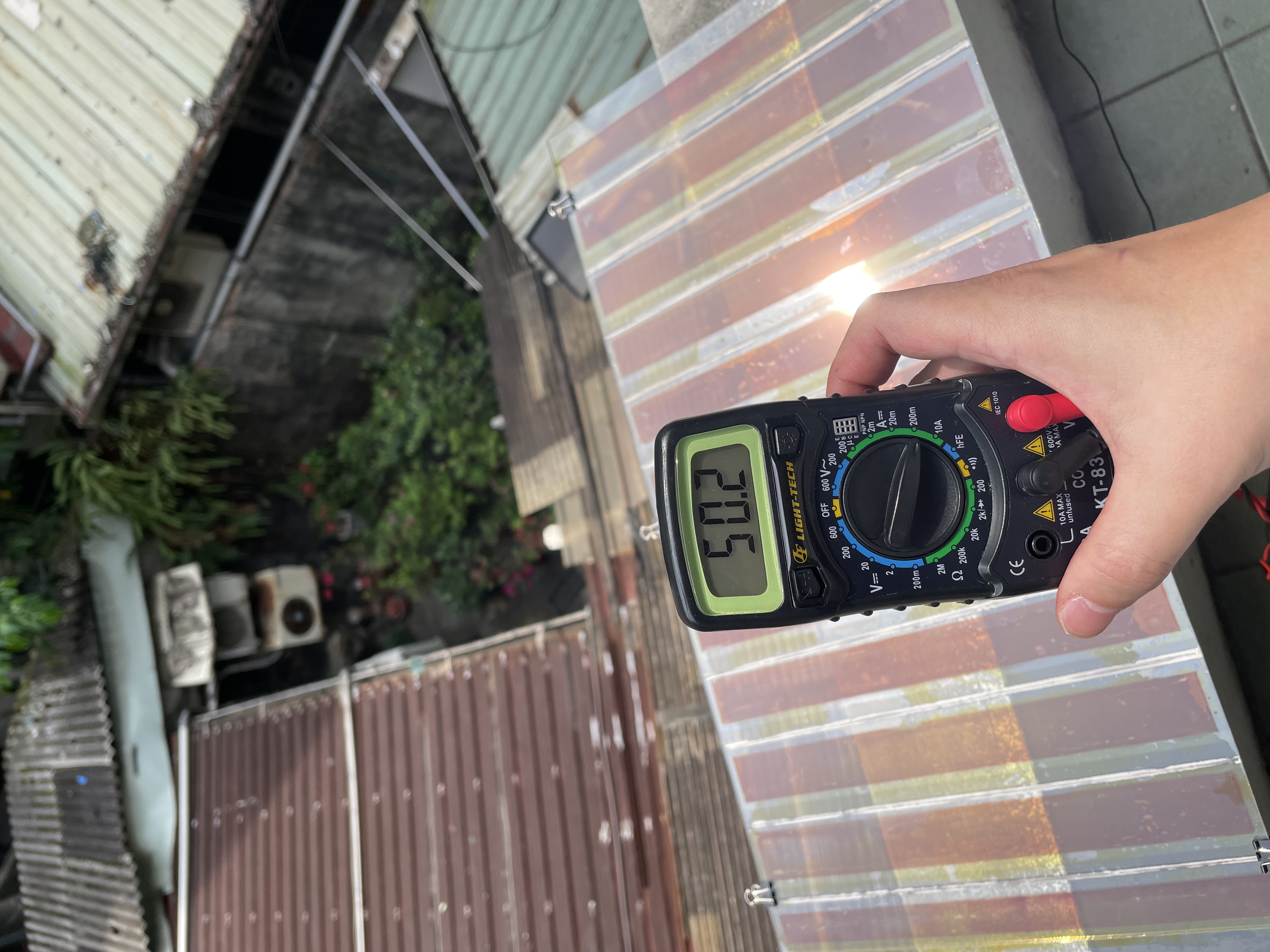
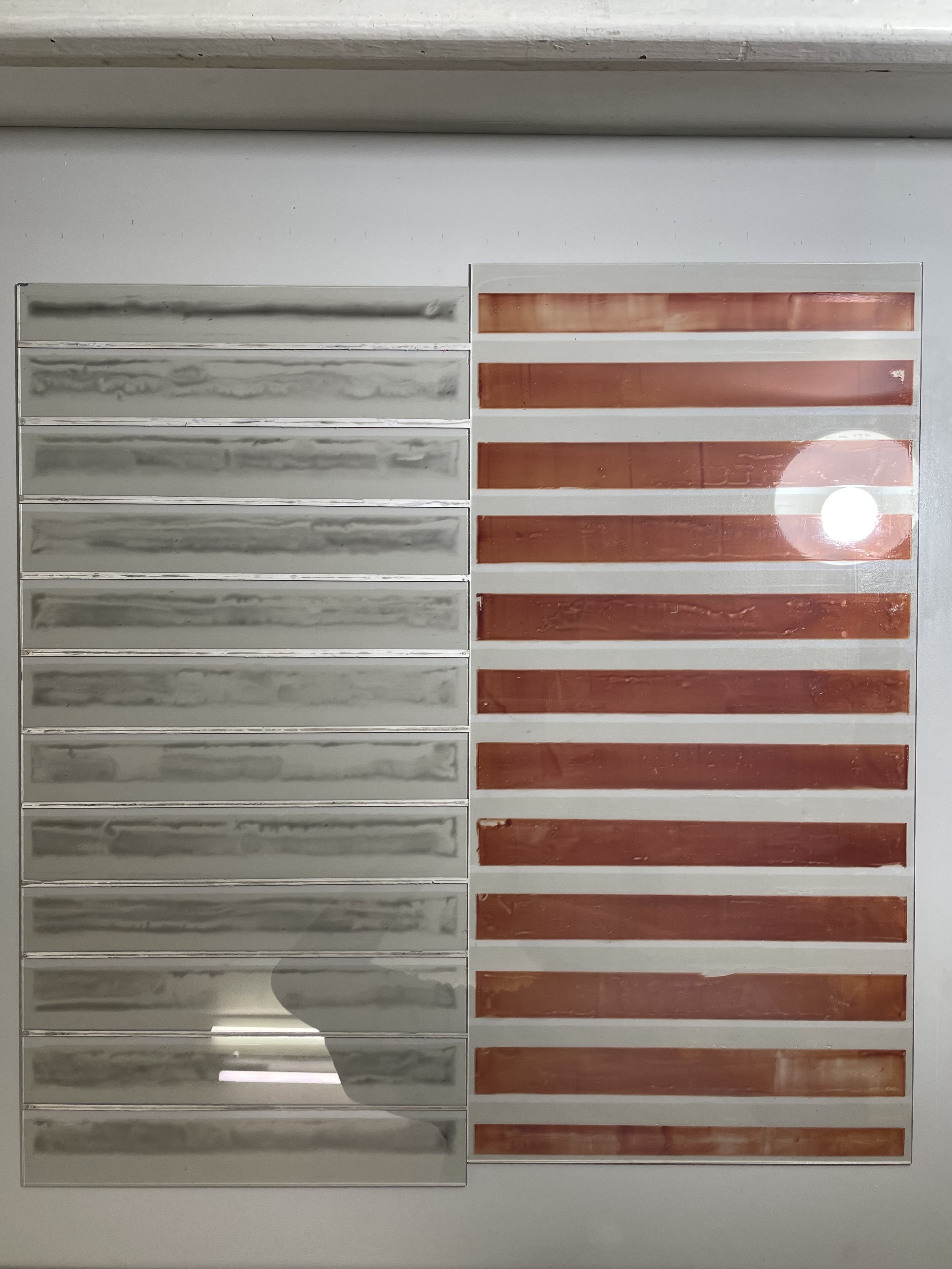
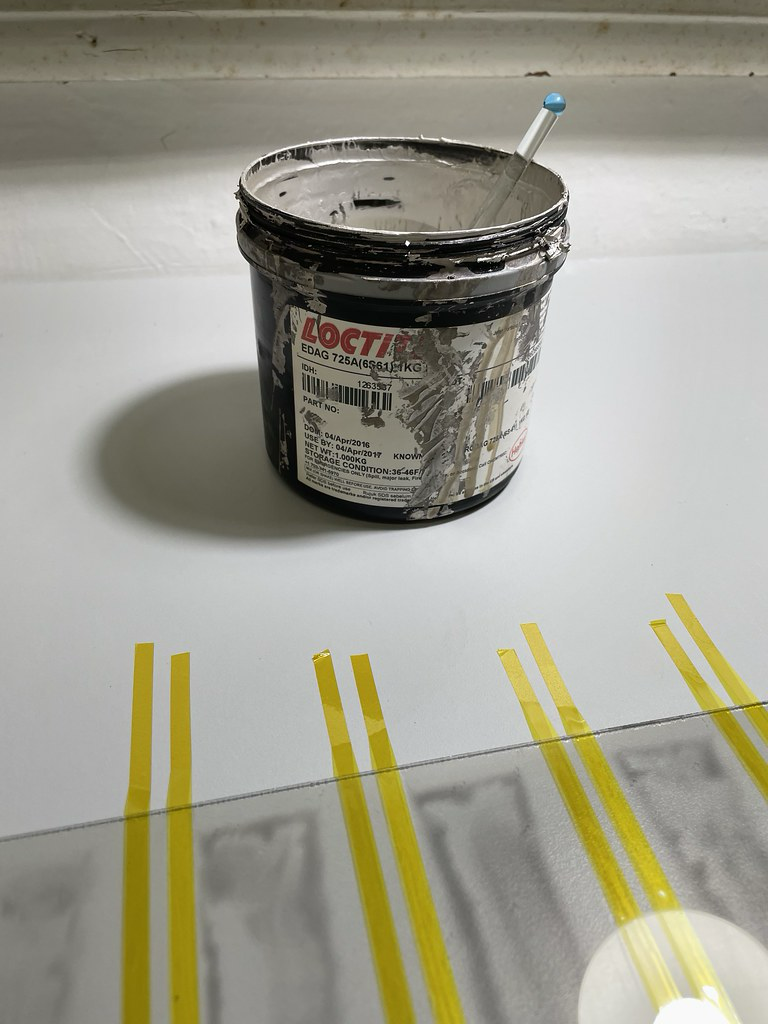
本實驗原型由12個子電池構成,並以 Z 型串聯組態構成,每個子電池尺寸為3x28cm,間距為2公分。每個次電池為並在對電極上印刷銀電極線,銀線寬度約為5mm,測得開放電壓5.8V 和短路電流 53mA。
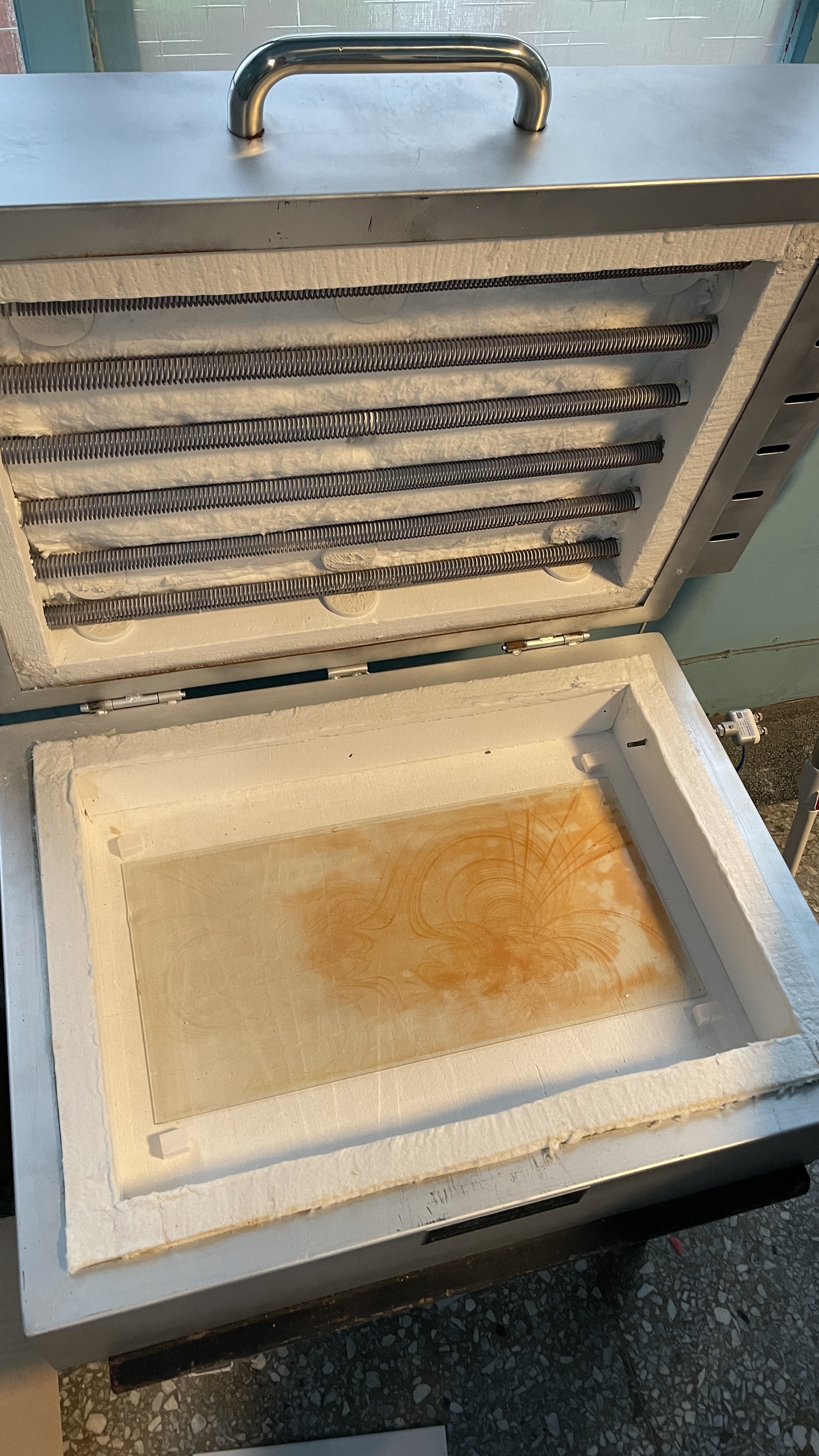
一項主要的發現是以玻璃窯450ºC燒結的大型玻璃具有熱變形現象,這造成了注入電解液的困難。電解液注入得助於兩片平整玻璃間毛細作用的幫助,任何輕微的變形都會破壞毛細作用的維持。升溫速度約為每分鐘8ºC,到達450ºC後持溫30分鐘,再於窯內自然降溫到室溫。
本實驗原型由12個子電池構成,並以 Z 型串聯組態構成,每個子電池尺寸為3x28cm,間距為2公分。每個次電池為並在對電極上印刷銀電極線,銀線寬度約為5mm,測得開放電壓5.8V 和短路電流 53mA。
一項主要的發現是以玻璃窯450ºC燒結的大型玻璃具有熱變形現象,這造成了注入電解液的困難。電解液注入得助於兩片平整玻璃間毛細作用的幫助,任何輕微的變形都會破壞毛細作用的維持。升溫速度約為每分鐘8ºC,到達450ºC後持溫30分鐘,再於窯內自然降溫到室溫。
This experiment challenges the fabrication of a large-scale dye-sensitized solar cell (DSSC) with dimensions of 30 × 60 cm. DSSCs are a type of photovoltaic device known for their relatively low-cost and accessible fabrication process. The chemical reagents used in this experiment were mainly sourced from Greatcell Solar, with a material cost of about 0.7 USD per cm².
However, the conversion efficiency of this DIY version remains relatively low and falls short of commercial standards. The main limitations arise from the high sheet resistance of the FTO/ITO layer, the absence of Surlyn film sealing, and the incomplete injection of electrolyte.
The prototype consists of 12 sub-cells connected in a Z-shaped series configuration. Each sub-cell measures 3 × 28 cm with a 2 cm spacing. On the counter electrode, silver electrode lines (approx. 5 mm wide) were screen-printed. The device demonstrated an open-circuit voltage of 5.8 V and a short-circuit current of 53 mA.
One key finding is that large glass substrates sintered at 450 °C in a glass kiln showed noticeable thermal deformation, which created difficulties during electrolyte injection. Electrolyte filling typically relies on capillary action between two flat glass plates, and even slight warping disrupts this mechanism.
The thermal profile followed a ramp-up rate of about 8 °C per minute to 450 °C, held for 30 minutes, and then cooled naturally in the kiln back to room temperature.
However, the conversion efficiency of this DIY version remains relatively low and falls short of commercial standards. The main limitations arise from the high sheet resistance of the FTO/ITO layer, the absence of Surlyn film sealing, and the incomplete injection of electrolyte.
The prototype consists of 12 sub-cells connected in a Z-shaped series configuration. Each sub-cell measures 3 × 28 cm with a 2 cm spacing. On the counter electrode, silver electrode lines (approx. 5 mm wide) were screen-printed. The device demonstrated an open-circuit voltage of 5.8 V and a short-circuit current of 53 mA.
One key finding is that large glass substrates sintered at 450 °C in a glass kiln showed noticeable thermal deformation, which created difficulties during electrolyte injection. Electrolyte filling typically relies on capillary action between two flat glass plates, and even slight warping disrupts this mechanism.
The thermal profile followed a ramp-up rate of about 8 °C per minute to 450 °C, held for 30 minutes, and then cooled naturally in the kiln back to room temperature.